
 By Admin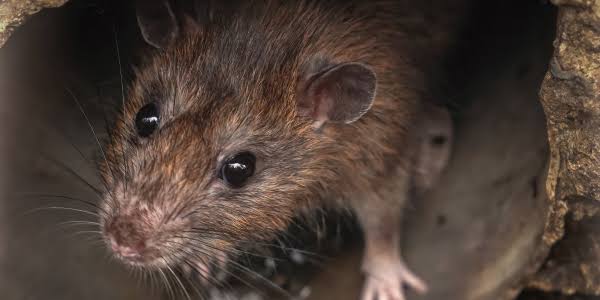
Last updated: September 10, 2026
Key Takeaways
- Walk the perimeter and look 1 to 2 feet above grade for gaps at utility penetrations, soffit vents, roof edges, and where siding meets the foundation.
- This article is for someone deciding who to call and what to ask.
- What you are verifying is an entry point, droppings, chewed wood, or greasy rub marks.
- I would ask: What is the exact entry point?
Scratching in a wall after dark is not a cute house noise. Usually, it means a pest, moisture, wiring, or wildlife issue is already in motion. Built around the first checks, this article on what to do if you hear scratching in the walls at night covers who to call and what to ask before you pay for the wrong service. In a house, that sound usually comes from rats, mice, squirrels, birds, bats, or, less often, a loose pipe or cable moving in the cavity. Don’t guess. Confirm where it is coming from, figure out whether the gap is active or tied to nesting, and call the right local service before the damage spreads.
What this situation usually means, and what I assume you already know
This advice applies if you are a homeowner or renter hearing repeated scratching, scurrying, tapping, or chewing inside a wall, ceiling, crawlspace, or attic, especially between dusk and dawn. I am assuming you can safely listen, look, and document what you hear, and that you know how to avoid opening walls, reaching into dark voids, or stepping into attic insulation without a reason. I am not assuming you know which animal is responsible.
The stakes are ordinary household stakes, but the wrong move can still cost real money. A mouse issue can become a colony problem in a week or two if food is available. A squirrel in an attic can tear duct insulation and contaminate blown-in insulation with droppings. Bat roosts are a different animal. Bat exclusions have seasonal timing in many places and can be regulated. If you smell a strong ammonia odor, see droppings, or hear the noise after dark on more than one night, pause and consult a pest control or wildlife professional; the CDC’s rodent guidance is a useful starting point for cleanup and prevention: https://www.cdc.gov/healthyhomes/rodents/index.html
This article is for someone deciding who to call and what to ask. It is not for the reader who already has visible live animals in the room, a ceiling sagging with water, or exposed wiring. In those cases, the issue has moved beyond identification and into immediate repair. For a wider public-health reference on rodent contamination and cleanup, the U.S. Centers for Disease Control and Prevention has a useful page on rodents in the home: https://www.cdc.gov/healthyhomes/rodents/index.html
What to do first, tonight, before you call anyone
Start by narrowing the noise to one wall, one floor, or one ceiling bay and by recording when it happens. Use your phone’s voice memo or video app for 30 to 60 seconds at a time, then note the time, the room, and whether the sound is light scratching, heavier scuttling, or repeated gnawing. Pattern matters here. Mice often sound like quick, tiny bursts; rats are heavier; squirrels are more active in early morning and late afternoon; bats often make faint clicking or fluttering near roosts, not loud chewing. If the sound stops when you tap the wall, that does not mean it is gone; it means the animal noticed you.
Next, inspect from the outside if it is safe and daylight is available. Walk the perimeter and look 1 to 2 feet above grade for gaps at utility penetrations, soffit vents, roof edges, and where siding meets the foundation. Use a flashlight, not a ladder if the roof is wet, icy, or above a one-story reach you are not comfortable with. Fresh debris, damaged vent screening, or a hole large enough to admit a mouse — about 1/4 inch — all count. That little gap can be a Trojan horse.
Then check inside the likely room for stains, shredded insulation, and droppings along baseboards. Do not vacuum droppings dry. If you find them, leave cleanup for later and wash hands after the inspection. If the sound seems to come from a bathroom or kitchen wall, also check for plumbing access panels and listen for water hammer or pipe movement; sometimes a loose pipe clamp or expansion noise gets mistaken for animals. The point here is simple: gather enough evidence to choose a pest control company, a wildlife exclusion service, or a plumber without paying for the wrong trade first.
Who should you call for scratching in a wall?
Call the service that fits the evidence, not the first company that answers the phone. Fast, light scratching near a pantry, attic access, or basement wall plus small droppings or gnaw marks? Start with a pest control company that handles rodents and exclusion. Heavier sound, roofline or soffit activity, displaced insulation, and larger droppings? Use a wildlife control or exclusion specialist that removes animals and seals entry points. If the noise tracks with water use, heating cycles, or a specific pipe run, call a plumber before paying for pest work.
Use the word exclusion carefully. It means sealing entry points after the animal issue is addressed, so the same animal cannot return through the same gap. Exclusion is not the same as trapping, and a trap-only job is often incomplete. A good local contractor should be able to explain which comes first, and why. For example, a mouse job may involve sealing gaps larger than 1/4 inch with copper mesh and sealant, but a squirrel job may require stronger materials and ladder work at the eaves.
Price depends on the animal, access, and whether cleanup is included. A small rodent service call might be a modest one-time fee plus follow-up visits, while attic rodent remediation or wildlife exclusion can climb much higher because of ladder work, sealing materials, and insulation cleanup. I would expect the estimate to change if there are multiple entry points, a steep roof, a two-story soffit line, or an attic full of contaminated insulation. Ask whether the quote includes inspection, trapping or removal, exclusion, and cleanup as separate line items.
How do I tell if it’s mice, rats, squirrels, bats, or something else?
You tell by timing, sound, location, and signs, not by the sound alone. Mice tend to sound like rapid tapping or tiny scratching in the walls, often near kitchens, pantries, and warm voids. Rats make heavier movement and may be heard chewing or moving along joists. Squirrels are louder, more erratic, and often active around dawn and dusk in attics or upper walls. Bats usually are not loud scratchers; if you hear repeated fluttering or squeaking near the roofline at night, that is a different kind of call. Birds in vents can make pecking or rustling sounds, especially early in the day.
A useful check is the pattern over three nights. Same wall, same hour, same kind of movement usually means an active nest or travel route. Random single taps in a wet season can be expanding framing or a pipe that cools and contracts. If the noise is highest after the furnace starts, look near ductwork and vent runs. If it peaks when the house is quiet and warm, think rodents or wildlife. Strange as it sounds, the house is giving you clues.
The best way to prepare for a contractor is usually to note three details: exact location, exact time, and any sign you see. Droppings, shredded paper, insulation pulled from a corner, a hole near a roof edge, or a stain below a vent can change the diagnosis fast. I would not pay for a broad “animal removal” visit if a plumber’s inspection makes more sense, and I would not accept a quote that skips identification. Diagnosis is often the cheapest part of the job when it is done early.
What should a good contractor do on the first visit?
A good contractor should inspect, identify, explain the access points, and give you a plan in writing. That plan should separate removal, sealing, and cleanup, because those are different tasks with different tools and different costs. If a company jumps straight to baiting without looking for entry holes, I would be cautious. Bait alone can reduce activity, but it does not solve an open wall gap.
On the first visit, expect them to use a flashlight, ladder, inspection mirror, and sometimes a borescope, which is a small camera on a flexible probe for looking inside cavities. They should look at roof edges, soffits, vents, foundation penetrations, utility lines, and attic transitions. They should tell you whether droppings look fresh, whether there is gnawing, and whether exclusion can happen safely right away or needs removal first. For bats, many areas require exclusion after a maternity period, and a competent wildlife contractor should know the local timing and wildlife rules. For rodents, sealing can often begin right away after traps or removal are placed.
A quote that looks good but omits attic sanitation, odor treatment, or insulation replacement may be incomplete, so ask whether those items are included. A quote that is vague about how many return visits are included is also a warning sign. I would ask: What is the exact entry point? What materials will you use to close it? How many follow-up visits are included? What happens if activity continues after sealing? Those questions tell you whether the company is solving the source or just reducing noise for a week.
The mistakes people make, and what they cost them
One common mistake is sealing only the interior hole the sound seems to come from. That traps the problem inside the wall and pushes animals to another opening, which can spread damage. The better move is to find the exterior entry path and seal that after removal or trapping.
Another mistake is waiting until the noise is constant. By then, you may have nesting material, droppings, odor, and chewed wiring. A one-night mystery can become a multi-room remediation if you leave it through a 2- to 4-week window of breeding or repeated access.
A third mistake is paying for bait without exclusion. That may lower activity, but if the opening stays open, new animals can replace the old ones. I would choose a contractor who explains the exclusion step clearly and does not treat it as optional, and I would ask how they verify the opening is closed.
A fourth mistake is ignoring the possibility of damaged wiring or ducts. Chewed wiring is not a cosmetic issue, and HVAC duct contamination can carry odor through the house. If the contractor sees insulation stripped from around wiring, I would ask for a separate electrical inspection before the wall is closed.
A fifth mistake is doing aggressive DIY cleanup without protection. Dry sweeping droppings can spread dust and contamination. For rodent cleanup guidance, the CDC and similar public-health agencies recommend wet cleaning methods rather than dry sweeping. If you are cleaning a small, accessible area, use gloves and follow health guidance; if the contamination is in an attic, wall cavity, or crawlspace, that is the point to hire cleanup help.
When should you stop guessing and book help?
Stop guessing once the sound repeats for more than 2 nights, when you find any sign of entry or droppings, or when the noise is coming from a roofline, attic, or sealed wall cavity you cannot access safely. Those are the moments when delay usually costs more than the inspection fee.
You see droppings, chewed wood, or greasy rub marks: That strongly suggests active rodent travel — schedule pest control or exclusion, and do not leave food open overnight.
The sound is loudest at the roof edge, soffit, or attic: That points to squirrels, birds, or bats — call a wildlife exclusion specialist, because attic access and timing matter.
You smell ammonia, musk, or decay: That can mean a nest, accumulated droppings, or a dead animal — arrange inspection and cleanup sooner rather than later.
The noise changes with plumbing use or heat cycles: That suggests pipe movement or HVAC issues — call a plumber or HVAC tech before pest service.
You have a hole larger than 1/4 inch near a utility line, vent, or foundation crack: That is an entry point until sealed — book exclusion work, not just trapping.
If the house is older, has a crawlspace, or sits near trees, seasonal pressure from rodents and squirrels can be higher, and the inspection may need to include ground-level gaps plus roof edges. In colder climates, animals often move indoors as temperatures drop; in wooded areas, roofline entry is common. If you are in a condo or apartment, the right first call may be property management rather than an outside contractor, because the source can be in a shared chase or attic.
How long does this usually take, and what does a good result look like?
A straightforward rodent inspection often takes 30 to 90 minutes, while a full exclusion job can take a few hours to a full day depending on access and the number of gaps. Cleanup and insulation work can take longer, especially if contaminated attic material must be removed. If a company says it can solve every case in one short visit, I would want to know what happens on the follow-up.
A good result is not just silence for one night. It is silence over several nights, sealed entry points, no fresh droppings near the same wall, and a written description of what was closed and what remains under observation. For rodents, I would expect at least one follow-up visit if traps were set. For wildlife, I would expect the contractor to confirm that the animal is out before sealing the final opening. If you still hear scratching after the work is done, the likely problems are an unsealed secondary entry, an animal still inside, or a second species using the same route.
What to ask before you hire anyone
Ask for four things in plain language: what animal they think it is, where they think it is entering, whether removal and exclusion are both included, and what the cleanup scope is. Then ask what changes the price. If the answer is “just the animal type,” that is too simple. Access, height, number of openings, sanitation, insulation damage, and local rules all matter.
A good local service business should be able to explain whether the work is a same-day emergency, a 2-visit rodent job, or a seasonal wildlife exclusion that has to respect nesting timing. I would also ask whether they handle crawlspaces, attics, and roofline work directly or subcontract part of it. That affects scheduling and accountability. If they cannot tell you what a bad result looks like — continued noise, new droppings, or a reopened gap — they are not speaking like someone who plans to stand behind the work.
Quick answers to the questions people ask most
Can scratching in the walls be nothing? Yes, but repeated nighttime scratching is usually not “nothing.”