
 By Admin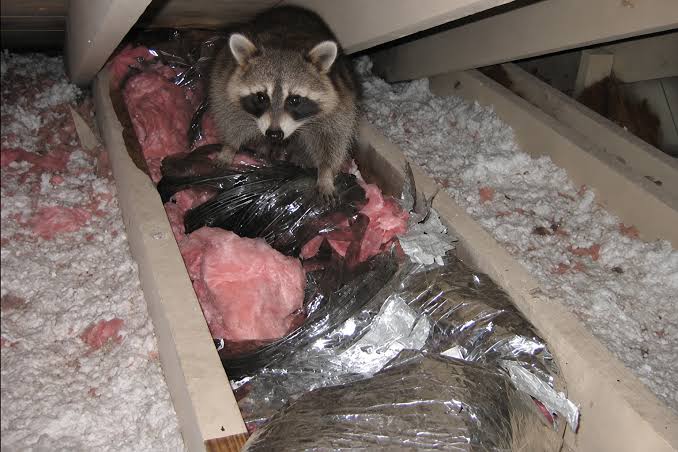
Last updated: September 10, 2026
Key Takeaways
- Leave the attic and exterior quiet for 24 to 72 hours.
- Monitor the exterior for 1 to 2 weeks.
- A quick exterior check can take 30 to 60 minutes, but the full job is rarely that short.
- Many raccoons get in through an opening about 4 inches wide or larger, though they can enlarge weak spots fast.
A raccoon in the attic is not a “deal with it later” problem. It can go sideways fast. If you are figuring out how get raccoon out attic without making problem worse, the safest move is usually to keep things calm, find where it entered, and use exclusion or professional removal instead of chasing it around. The next 24 hours matter most. One bad move can push the animal deeper, trap young, or open the door to more damage. This guide explains how get raccoon out attic without making problem worse, what to do first, and when to call a wildlife company.
What this advice assumes — and who should not try to “handle it” themselves
Hear heavy walking, rolling sounds, or scratching overhead? Then this advice fits if you have reason to think the animal is a raccoon rather than squirrels or rats. A raccoon is a medium-sized nocturnal mammal with strong paws, a broad face, and a habit of using soffits, roof gaps, or broken vents to get inside. The usual homeowner thought is simple: “I just need to get it out.” Too narrow. The real job is how get raccoon out attic without making problem worse, which means removing the animal without trapping it in the living space, separating a mother from young, or creating a fresh entry point that another raccoon can use.
I’m writing for the homeowner deciding whether to call for help, not for someone trying to do a weekend wildlife project. Kits? Possible. Aggression? Daylight activity? Visible droppings contamination around insulation? Stop and hire a wildlife company that does exclusion and repair, not just “trap and remove.” Exclusion means sealing entry points so the animal cannot come back in. That part matters just as much as taking it out. For general prevention and disease information, see the CDC on raccoons and Humane Society guidance on wildlife exclusion.
Not every attic is a sensible DIY job. Steep roof? Hard access? High soffit? Damaged joists or loose insulation underfoot? Then the risk climbs quickly. A fall from even one story can hurt you more than the animal can. Honestly, I would not treat this as a cheap handyman call unless the person can show they do wildlife exclusion, not just general repairs, and can point to a written inspection and repair plan. Need help sorting that out? See how to choose a wildlife control company and attic animal removal basics.
One more real limitation: if the raccoon has already torn through ducting, drywall, or insulation, getting it out is only half the job. The house may still smell; the damaged opening can become a return route unless it is repaired correctly. That smell can linger like a bad memory.
What should I do first if there’s a raccoon in my attic?
Calm the scene. Reduce access. And do not force the animal to bolt through the house. The first hour matters because noise and bright lights often move a raccoon into walls, soffits, or living space. Then the job gets uglier, and the damage spreads.
Start with people and pets. Keep them away from the attic access. Close the attic hatch if it is already open. Do not climb up to “look around” unless you already know the space and can exit safely. A startled raccoon can defend itself, especially if it is cornered or with young. Bad idea. Simple as that.
Next, walk the outside of the house and note every likely opening: torn roof vent screen, lifted shingles, soffit damage, gaps near chimney flashing, broken gable vents, and uncapped roof returns. Many raccoons get in through an opening about 4 inches wide or larger, though they can enlarge weak spots fast. If you see a torn entry point, do not seal it yet if you have not confirmed the animal is out; sealing the wrong way can trap it inside. According to Wildlife Illinois, exclusion should be planned so the animal can leave safely before the final seal goes on. That part is nonnegotiable.
Then listen. Nighttime movement in the attic fits a single raccoon. Constant high-pitched chattering or repeated squealing, especially in spring, may mean kits. That changes the job from “remove one adult” to “remove a family.” And that is where people usually make the mess worse.
A practical step many people skip: shut the door between the attic access and the rest of the house and watch for signs of movement in ceilings or walls. If the animal suddenly gets louder, it may be pushing toward another exit. That means your next call should be to a wildlife pro, not a trap rental. The wrong tool, wrong day.
How do you get a raccoon out of an attic safely?
You get a raccoon out by giving it a clear way out, not by trying to scare it through the house. The standard setup is a one-way door or professional exclusion, paired with closing every other hole the raccoon might use except the active exit. A one-way door lets the animal leave but not re-enter. Clean idea. Tricky execution.
Here is the basic sequence I would follow, or expect a contractor to follow, in the right order:
- Identify the active entry point from outside. Inspect the roofline, soffits, vents, and chimney area in daylight with binoculars if needed. Verify there is only one active opening or that one opening is clearly the main route. A problem sign is multiple fresh openings, because that often means more than one route and a harder exclusion.
- Confirm the attic is empty of visible young before sealing anything. Look for nesting material, droppings concentrated in one area, and vocalizations. If you hear kits, do not install a one-way door and walk away. That can leave babies trapped inside, which creates odor and legal trouble in some areas. The problem sign is repeated crying from one spot in the attic.
- Install a one-way exit only after the rest of the perimeter is secured. Seal secondary gaps with hardware cloth, metal flashing, or professional-grade sealant around openings the raccoon cannot use. Leave the main opening on the one-way device. Verify the animal still has a clear exit path. Because of that, consult a wildlife professional or follow manufacturer instructions before setting the device, and use guidance from [Wildlife Control Operators Association](https://www.wildlifecontroloperators.org) or a similar professional source. A problem sign is blocking the only route before the raccoon has left.
- Leave the attic and exterior quiet for 24 to 72 hours. Raccoons usually leave at night. Check the one-way door for exit tracks, disturbed dust, or a moved flap. A problem sign is no sign of departure after several nights, which can mean the animal is trapped inside or the opening was not the true entry point.
- Confirm the animal is out before closing the final hole. Watch for renewed movement, smell, or droppings in one location. If the attic goes quiet for at least one full night and the one-way shows use, that is a better sign. A problem sign is fresh noise after the device is removed.
- Remove the one-way door and permanently seal the opening. Use materials that resist chewing and prying: metal flashing, galvanized hardware cloth, or heavy-gauge vent repair. Verify no daylight shows through the repair from inside. A problem sign is using foam alone on a raccoon opening; foam is not a structural barrier.
- Inspect the attic floor and insulation for contamination. Raccoon droppings and urine can soak into insulation and framing. If the area is large or you see piles, schedule cleanup before re-insulating. A problem sign is ignoring contamination, because odor often brings the animal back or attracts another one.
- Monitor the exterior for 1 to 2 weeks. Check for new scratching, fresh tear marks, or reopened gaps. Verify no new access has appeared after rain or wind. A problem sign is assuming the job is done after the animal disappears for one night.
A contractor may quote this as a same-day or 1- to 3-day job for the removal phase, but the repair can take longer if roof work or drywall repair is needed. A straightforward exclusion should be priced differently from a full attic cleanup and repair package. If someone offers only a trap pickup with no sealing plan, that is not the full answer.
How much does raccoon removal from an attic usually cost?
Usually, it costs more than a simple trap-and-drop service, because the real price is exclusion, repair, and cleanup, not just moving one animal. I’m skipping a fake price range here. Local labor, roof height, and damage level swing the bill too much to be honest in a single number.
What drives the cost is pretty predictable:
– Access: a single-story ranch roof is simpler than a steep two-story roof with multiple dormers.
– Entry point size and location: a torn soffit is easier to repair than a vent buried near a chimney.
– Whether there are babies: family removal takes more time and more careful follow-up.
– Cleanup needs: droppings removal, insulation replacement, and odor control can cost more than the exclusion itself.
– Repair material: metal vent covers and flashing cost more than basic caulk, but they are the right materials.
A quote that seems low may leave out the part that matters. Ask whether the estimate includes:
1. inspection,
2. removal or one-way exclusion,
3. sealing all secondary openings,
4. final repair of the entry point,
5. cleanup of droppings and contaminated insulation,
6. a second visit if the animal does not leave on the first night.
I would treat “we’ll come set a trap” as incomplete unless the company also explains where the animal will be excluded and how they will confirm it is gone, and unless they can describe the follow-up in writing. The wrong contractor often makes money twice: once for removal, once again when the raccoon returns through the same hole. For cost comparisons, see our wildlife exclusion pricing guide and how attic cleanup works.
Want to compare bids? Ask for the work in writing. A basic service might take a few hours on site, while a full attic job with cleanup can stretch into a second day or longer. That difference is not cosmetic; it is the difference between a temporary patch and a real fix.
What mistakes make the raccoon problem worse?
The biggest mistake is sealing holes before you know the raccoon is out. That traps the animal inside, which often means louder scratching, new damage, and a dead animal smell if it cannot escape. The correct alternative is to use a one-way exit or have the attic checked for young first. Simple. Brutal, but simple.
A second mistake is using mothballs, ammonia, or ultrasonic repellers as the main solution. Those products are unreliable in a large attic volume, and they do nothing to close the entry point. The consequence is time lost while the raccoon continues nesting. Better answer: exclusion and repair. That’s the whole ball game.
A third mistake is making noise from inside the attic in hopes of “driving it away.” A cornered raccoon may charge, hide deeper, or relocate to a wall cavity. That turns a contained attic problem into a house-wide one. If the animal is inside, I would keep the attic closed and work from the outside.
A fourth mistake is ignoring the possibility of kits. In many places, spring and early summer are the risk period because females may be denning with young. If you remove the mother without accounting for kits, the babies can die in the attic, which creates odor and a second removal job. The correct alternative is to confirm there are no young before final sealing.
A fifth mistake is patching with foam, duct tape, or thin plastic vent covers. Raccoons can tear weak materials quickly. Use metal mesh, flashing, or professional repair materials that match the opening. A good repair looks boring from the street and solid from the attic side. For humane wildlife handling principles, Humane World for Animals has general guidance.
When should I stop and call a wildlife removal company?
Stop and call a wildlife removal company when the problem is no longer a single obvious exit. After that point, the risk of trapping young, spreading contamination, or forcing the animal deeper is too high.
Repeated noise from the same spot for more than 2 nights: This often means a den site, not a visitor passing through — call for an attic inspection before sealing anything.
Chattering, crying, or multiple small sounds in spring or early summer: This suggests kits may be present — do not use a one-way door until the attic is checked for a family.
Visible damage to electrical wiring, ducts, or drywall: This means the raccoon has likely stayed long enough to cause secondary damage — get removal and repair quoted together.
Daytime movement or a raccoon that does not flee when disturbed: This can signal illness, injury, or a cornered animal — keep distance and call a pro.
More than one entry point, or a roofline you cannot reach safely: Exclusion gets complicated fast — hire someone with the right roof equipment and repair materials.
Strong odor, droppings, or dark staining in insulation: This indicates cleanup is part of the job, not an optional extra — ask for attic sanitation and insulation assessment.
I would also stop if your only plan depends on a ladder, a flashlight, and luck. The point is not to prove toughness. It is to end the intrusion and keep it ended. For another comparison point, see when to call wildlife control.
How long does it take to clear a raccoon from an attic?
Usually, it takes at least one night — sometimes several days — to confirm the raccoon is gone, and then more time for sealing and repairs. A quick exterior check can take 30 to 60 minutes, but the full job is rarely that short.
A clean removal with a one-way door often works on a 1- to 3-night cycle:
– day 1: inspect, identify openings, and set the exclusion plan,
– night 1: raccoon exits,
– nights 2 to 3: confirm no return,
– then: final repair and cleanup.
If there are young, damaged insulation, or multiple openings, the schedule stretches. Weather matters too. In heavy rain, snow, or freezing conditions, raccoons may stay put longer, and roof repairs can take longer to complete. In warmer months, odor and insect issues can show up faster if a carcass or nesting material is left inside.
A good result is straightforward: no sound in the attic, no fresh tracks at the exit point, no reopened hole after a week of normal weather, and a sealed opening that does not look temporary. A bad result is “the raccoon left” but the hole is still there. That is not a finish. It is an invitation.
What the right contractor should tell you before they start
Before they start, the right contractor should explain the entry point, the removal method, the sealing plan, and the cleanup plan in plain language. I would ask four things before signing anything, and I would expect clear answers, not sales talk.
- What is the active entry point? They should show you evidence, not guess from the ground.
- How will you confirm the raccoon is out? They should explain whether they are using a one-way door, trapping, or another exclusion method.
- What gets sealed, and when? They should describe the sequence for secondary openings, final closure, and follow-up.
- What cleanup is included? They should say whether droppings, odor, and contaminated insulation are part of the estimate.
If the contractor cannot explain those points, keep shopping. A good wildlife company should also know local permit rules and humane handling expectations, and it should be willing to refer to resources such as Wildlife Illinois or other state wildlife guidance when needed.
The ideal answer is not just “we get raccoons out.” It is that they know how get raccoon out attic without making problem worse, they can show the process, and they will leave the house sealed, repaired, and checked again after the first exclusion step.