
 By Admin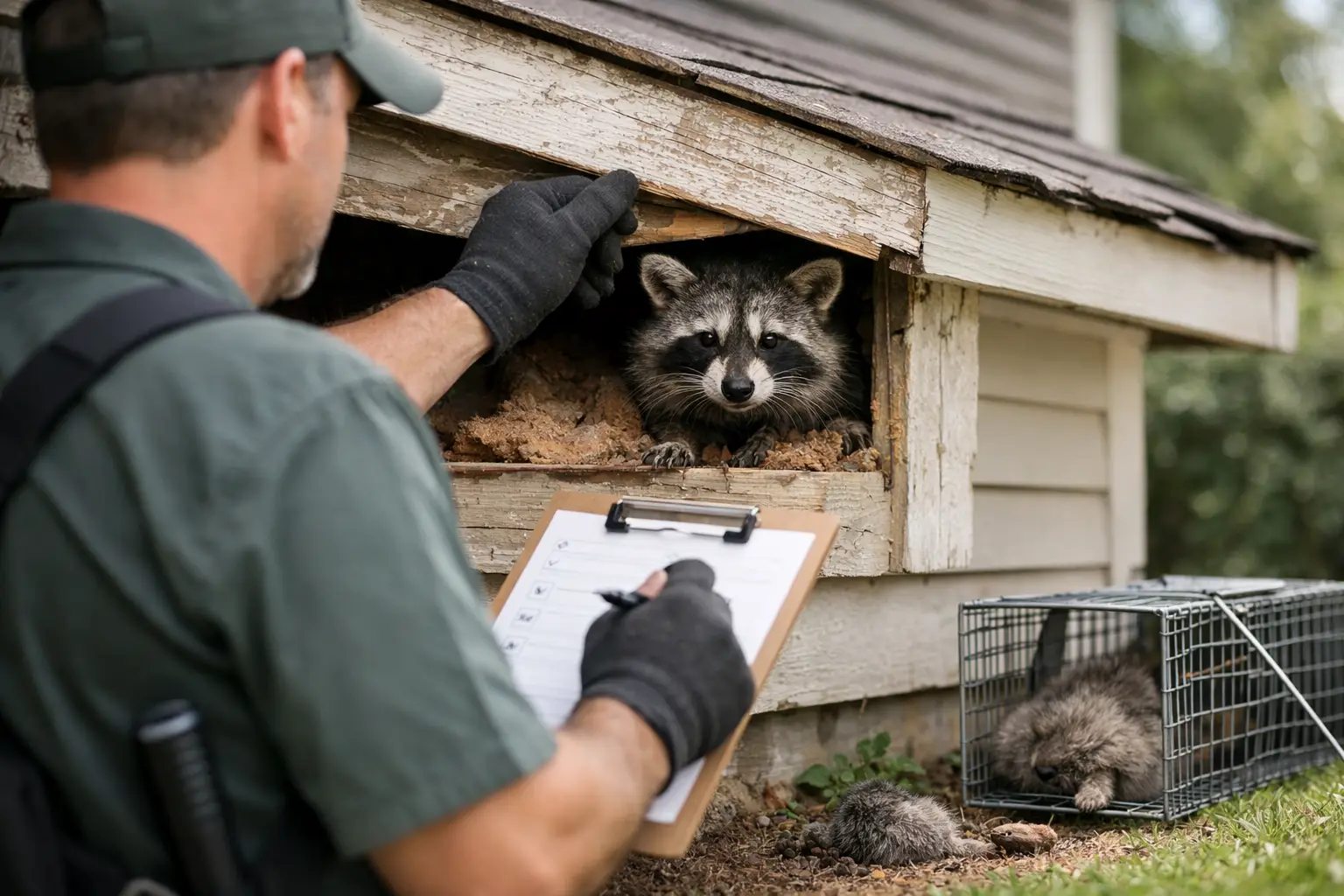
Last updated: September 10, 2026
Key Takeaways
- The right scope matters because a $250 exclusion job and a $900 attic cleanup are not the same service.
- A proper cleanup may take 2 to 6 hours for a small contamination area and much longer if insulation is heavily soiled.
- Document what was removed and what was sealed.
- I’d still ask what, exactly, is getting removed—not just sprayed.
Table of Contents
- What wildlife removal looks like: inspection, trapping, removal, and cleanup
- What wildlife removal actually includes
- What happens during the inspection?
- How the trapping and removal part works
- What cleanup should include after removal
- How much does wildlife removal cost, and what changes the price?
- When should you stop and call qualified help?
- The mistakes people make with wildlife removal
Scratching in a wall? Bat in the attic? Raccoons tucked into a soffit? Then you need a step-by-step answer, not a guess. Wildlife removal usually follows a plain order: inspection, trapping, removal, exclusion, cleanup. That’s the job.
If the animal may be rabid, if it is a bat in a living space, or if there are multiple animals in a wall or ceiling, consult a wildlife professional or local animal control. The CDC notes that bats and other wildlife can pose rabies risk, and local rules can affect handling. Better safe than sorry.
I’m writing for the person deciding who to call and what the wildlife removal looks like: inspection, trapping, removal, and cleanup should include, not for someone looking to set traps on a weekend. Different mission.
What wildlife removal actually includes
Inspection, a removal method, exclusion, and cleanup — that is the full package. Skip one piece and the job is unfinished. Exclusion means sealing the animal out after it is gone, usually with metal mesh, flashing, one-way devices, or repair work sized to the species. For a typical residential job, the full sequence often takes 1 to 3 visits over several days, and the price depends more on access and repairs than on the animal itself.
A generic article gets this wrong by talking only about “trapping.” That’s only one slice of the work, and sometimes it is not even the right first move. A squirrel in an attic, for example, may need a one-way door on the entry point, a check for babies, and then repair of a 2-inch gap at the roofline. A raccoon in a chimney may need a chimney cap, not a baited cage in the yard. Bats are their own story; in many places, bat exclusion is restricted during maternity season because pups can be left behind. Messy, right?
A good wildlife removal company should be able to explain the sequence in plain language: identify the species, find the access points, decide whether the animal can be excluded or must be trapped, remove it, seal the opening, and clean contaminated material. If you hear “we’ll trap it and see,” that is a warning sign. If the issue is droppings, urine, nesting material, or chewed wiring, cleanup is not an add-on. It is part of the fix. For related guidance on exclusion and cleanup, see humane wildlife control, how to seal entry points, and rodent cleanup basics.
Live-animal removal and dead-animal removal are different too. A carcass inside a wall can bring odor, flies, and contamination, but it does not usually call for trapping. That work may require locating the carcass, removing damaged material, and deodorizing the cavity. And yes, the numbers change fast: a $250 exclusion job and a $900 attic cleanup are not the same service.
What happens during the inspection?
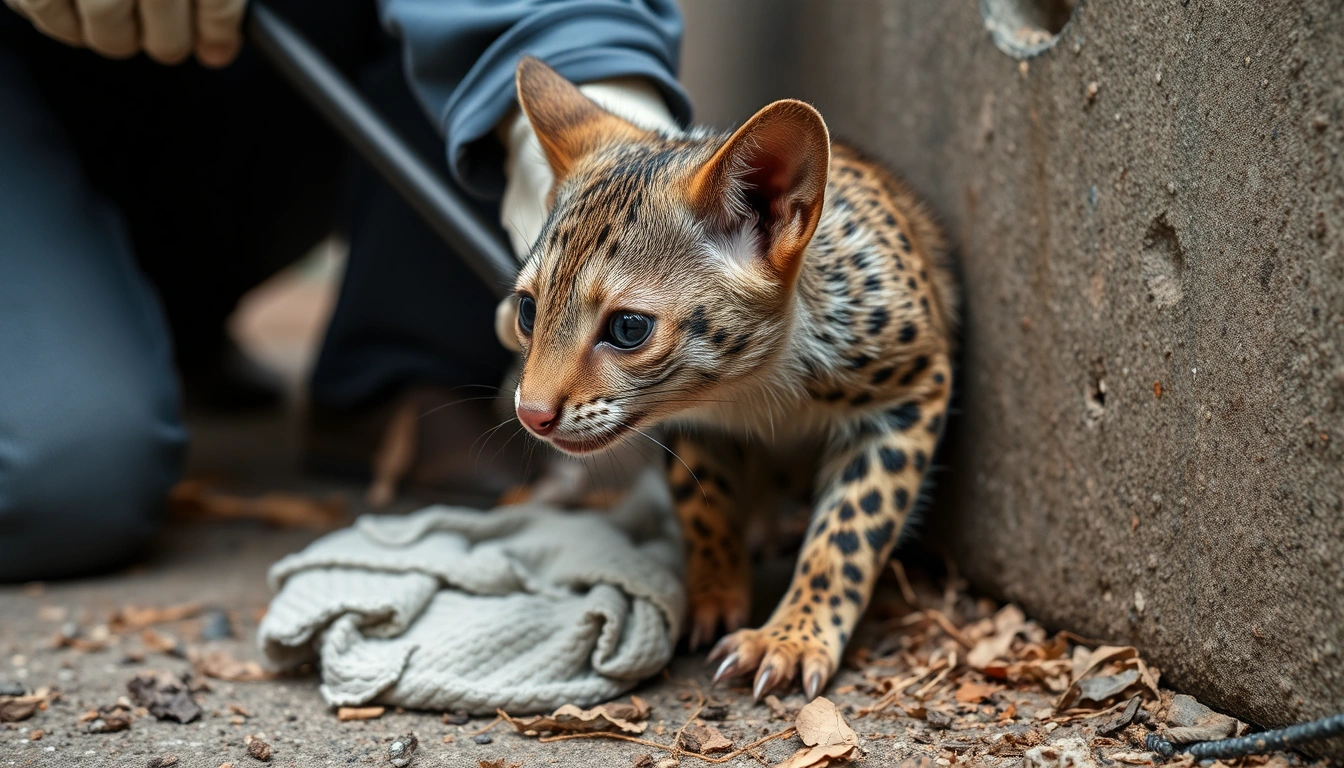
The inspection finds the animal, the entry point, the damage, and the conditions that let the problem start. Usually, it takes 30 to 90 minutes for a single-family home; longer if the roof is steep, the crawlspace is tight, or the attic is packed with insulation. I’d expect the technician to cover the roofline, soffits, vents, chimney, foundation gaps, utility penetrations, and the inside signs: droppings, gnaw marks, greasy rub marks, nesting material, and the direction of noise.
Inspection is the part that tells you what animal you have and where it is getting in. Plain and simple. From there, the work should get specific. Raccoons usually leave larger tracks, torn shingles, pried soffits, and heavy scratching; squirrels often use a 1.5- to 2-inch opening near fascia, vents, or roof edges; mice can use openings around 1/4 inch, which is why the smallest gaps matter. The company should identify whether the activity is current, old, or seasonal.
A good inspection is more than a flashlight sweep. I’d want the technician to look for secondary entry points, because one hole often hides three. If an attic smells strongly of urine, that can point to long-term occupancy and a larger cleanup scope. If droppings are in one cluster near a gap, that suggests an active nest. If the inspector only checks the obvious opening and does not inspect at dusk or look for species-specific signs, that is a problem. For more detail on attic and crawlspace checks, see home exclusion repair, chimney caps, and bat exclusion timing.
I also think it matters whether the inspection includes the exterior at ground level and from a ladder or roof where needed. In many homes the real issue is not the attic itself but a failed transition point: vent screens, soffit seams, roof returns, or where a tree limb gives access to the roof. Wet weather makes damp crawlspaces and rotting fascia worse; colder regions push animals toward weak roof edges before winter. One size does not fit all.
If the company offers an inspection fee, ask whether it is applied to the removal job. A modest inspection charge is common in some markets; what matters is whether it produces a written scope, not just a verbal guess. Numbers on paper. That helps.
How the trapping and removal part works
The trapping or removal plan depends on the species, the location, and whether babies are present. The exact action should match the animal: live cage traps for some ground-level problems, one-way doors for many attic exits, hand removal for a stranded animal in a room, or direct capture of a nuisance animal that cannot safely be excluded. The first step is to choose the method that removes the animal without trapping it deeper inside the structure.
Here is the basic sequence I would expect to see:
- Confirm the species and activity level. Check droppings, tracks, entry hole size, and noise pattern, then verify whether the animal is active at dusk, night, or dawn. If the signs do not match one species, the plan is weak.
- Find every access point before any trap is set. Inspect roof edges, vents, foundation gaps, and utility openings; openings larger than 1/4 inch can matter for small rodents, while squirrels and raccoons need larger structural gaps. If only one opening is identified, expect a return problem.
- Decide whether exclusion or trapping is the correct tool. Use one-way exclusion devices where legal and appropriate, or traps where the animal must be removed from outside the structure. If babies are present, the method changes; if it does not, that is a red flag.
- Set equipment in the right location and count. Traps should be placed where travel is clear, often along walls, rooflines, or near known run paths; one trap in a random yard spot is not enough. If the technician cannot explain the placement, the setup is guesswork.
- Check traps or exclusion points on a defined schedule. Daily checks are standard for live trapping, and more frequent checks may be needed in heat. If a company will not say how often they check, animals can suffer and the job can fail.
- Remove the animal and re-check the opening immediately. After removal, verify that no animal remains inside and that no second opening is active. If movement continues after removal, there may be a second animal or a missed entry point.
- Install a permanent seal sized to the species. Use metal flashing, hardware cloth, or professional repair materials, not spray foam alone. If the seal can be torn, chewed, or pushed aside, the problem will likely return.
- Document what was removed and what was sealed. A clear note on the species, location, and repair keeps the scope honest. If there is no record, it becomes hard to verify whether the job was complete.
This is the part of the job where bad work gets expensive. Cheap trap-and-go service may pull out one animal and leave the opening untouched; then a second one comes right back in. In a home with young animals, a missed litter can create odor, flies, and repeated noise. Season matters too. Bat exclusion should be timed carefully, and local rules may restrict when it can be done. I would not accept a plan that treats all wildlife the same. Instead, ask the contractor to spell out the species-specific method and to consult local regulations or a wildlife professional when the case is complex.
What cleanup should include after removal
Cleanup should include removal of droppings, nesting material, contaminated insulation, and sanitation of the affected area; if the smell remains after removal, the job is not finished. This is often where homeowners get shortchanged. Animal removal stops the noise, but cleanup fixes the health and odor problems. For an attic or crawlspace, that can mean bagging soiled insulation, HEPA vacuuming, wiping hard surfaces with an approved disinfectant, and replacing damaged material. The CDC recommends careful rodent cleanup, and the EPA has guidance on indoor contaminants and air quality.
The first thing to ask is whether the company is doing cleanup or only removal. A proper cleanup may take 2 to 6 hours for a small contamination area and much longer if insulation is heavily soiled. If a dead animal was in a wall, the scope may include opening the cavity, removing carcass material, and sealing the area after it dries. If urine has soaked into wood, deodorizer alone may not solve it.
I’d also ask what is being removed, not just sprayed. Rodent droppings can dry out and become airborne when disturbed, so the safer approach is careful removal with controlled vacuuming and cleaning, not aggressive sweeping. In an attic with long-term nesting, the contaminated zone often extends beyond the visible droppings. If only the top layer is cleaned, odor can linger and attract more animals.
There is also the question of insulation replacement. If a company says they “cleaned” an attic but left flattened, urine-soaked insulation in place, that is not a complete remediation. In many cases, cleanup includes patching the damaged area and restoring insulation depth where it was removed. The cost rises with square footage and with access difficulty, but a clear scope should say whether disposal, sanitation, odor treatment, and insulation replacement are included. If the company is not specific, consult a qualified professional before approving the work.
I’d treat “fogging” as a limited tool, not a cure; odor control can help after proper removal and cleanup, but fragrance without material removal is cosmetic. If the cleanup quote is unusually low, ask what is being left behind. That question catches a lot of incomplete jobs.
How much does wildlife removal cost, and what changes the price?
Wildlife removal cost depends on species, access, repairs, cleanup, and whether the problem is one animal or a colony. For a simple job, the bill may stay in the low hundreds; for attic exclusion plus cleanup, it can rise into the high hundreds or more. I’m avoiding hard numbers because local labor rates, roof height, and repair scope change the total fast, but the main cost drivers are predictable.
The first driver is access. A ground-level gap at a garage corner is cheaper than a steep-roof soffit on a two-story house. The second is the number of openings. Sealing one visible hole is fast; sealing a roofline with several failures takes more time and material. The third is cleanup volume: a small nest is not the same as a contaminated attic with several bags of debris and insulation replacement.
Species matters too. Mice and rats are a different job from raccoons or bats. Small rodent control can involve repeated trapping and exclusion of tiny gaps, while larger mammals often need stronger repairs and more careful handling. If the company offers one flat price for all wildlife, I’d be cautious. That can hide missing cleanup or soft-pedaled repair work.
I also think homeowners should ask for separate line items: inspection, removal, exclusion/repair, and cleanup. That makes it easier to compare bids. A very low removal price with no repair line often means the animal can come back. A very high cleanup line with no explanation can mean you are paying for unnecessary demolition. The right bid should describe the square footage affected, the materials being replaced, and the method of sealing. If a quote is vague, the final bill often becomes vague too.
When should you stop and call qualified help?
Stop the process when the animal may pose a rabies risk, when babies are likely present, when the species is protected or regulated locally, or when the animal is in a place that creates electrical or structural hazard. That is the point where the wrong move can turn a nuisance into a safety problem.
Bats in a living space, attic, or wall cavity: This can involve colony removal rules and timing limits — do not block exits until the species and season are confirmed. In many places, bat maternity season changes what is allowed. If you are unsure, consult a wildlife professional or local wildlife agency.
Any animal acting disoriented, aggressive, or unusually fearless: That can signal disease or injury — avoid contact and keep pets and children away.
Young animals heard in a wall, soffit, or chimney: Removing the mother first can trap juveniles inside — the plan has to account for the litter before sealing anything.
Live animal in a tight wall, duct chase, or ceiling void: Forcing a trap or reaching in can injure you or the animal — use the correct removal method for confined spaces.
Chewed wiring, scorched insulation, or repeated breaker trips: This is no longer just a wildlife issue — the electrical damage needs attention before the space is reoccupied.
Strong odor, flies, or fluid staining after an animal disappeared: That suggests a dead animal or contamination — removal alone will not solve it, and cleanup becomes the real job. If the odor or staining is extensive, get qualified help rather than guessing at the source.
I’d stop too if the company cannot explain the species, the entry point, or the repair plan in plain terms. “We handle everything” sounds tidy, but what does everything actually include? For regulated wildlife, local rules may control trapping, transport, and release, so a contractor should know the current local requirements or refer you appropriately.
The mistakes people make with wildlife removal
The most common mistakes are small ones that compound into repeat infestations. Watch for these five:
Sealing the hole before removing the animal: This can trap the animal inside and create worse damage — remove first, then seal with the right material.
Using spray foam as the only repair: Foam alone is often not durable enough for many species — back it with metal and proper repairs.