
 By Admin
Last updated: October 21, 2026
Quick Answer: If birds are in a dryer vent, stop the dryer, clear the vent cover, remove the nest material, and reinstall a guard; in many cases, the job can take about 20 minutes on a ground-level vent, but a second-story outlet can take longer. Birds in a dryer vent need a fast, careful cleanup: stop using the dryer, clear the vent cover, remove the nest material, and reinstall a guard before the birds or lint create a fire or airflow problem. How to Get Birds Out of a Dryer Vent is a utility-vent nesting problem, not a general attic-wildlife job, and the fix starts with checking the vent hood outside.
What to do first when birds are in a dryer vent
Stop the dryer and switch the laundry load off right away. If the vent is blocked, hot air has nowhere to go, lint can build up in the ducting, and the nest can get damaged or pushed deeper into the line. Leave the laundry door open, unplug the dryer if the plug is easy to reach, and do not run another cycle “just to see if it clears.”
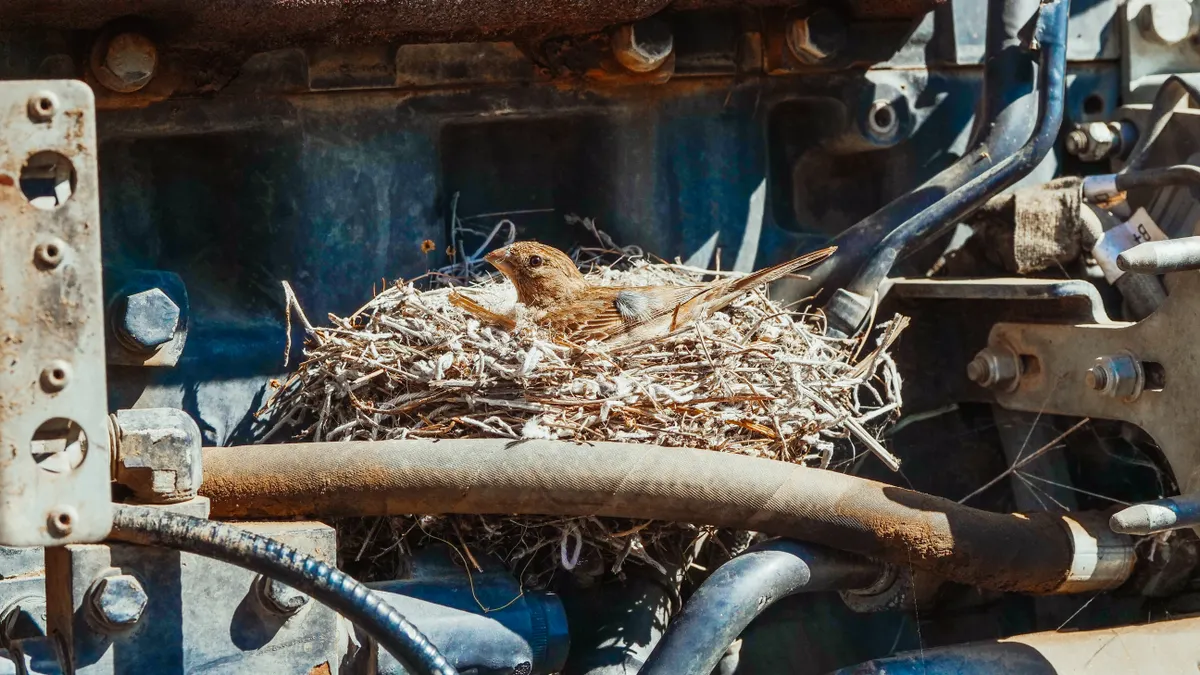
Before touching the vent, look at the outside vent hood. A bird nest in a dryer vent often shows up as weak or no exhaust at the exterior flap, a flap that stays closed, a fluttering sound inside the wall, or lint blowing back around the dryer. If you see adult birds flying in and out, assume there may be eggs or nestlings in the vent and plan the removal for a time when the birds are not trapped deeper inside.
Get a few basic tools first: work gloves, a screwdriver or nut driver for the vent cover, a flashlight, a small trash bag, a shop vacuum with a hose, and a vent brush if the duct is accessible. If the vent hood is high, you may also need a stable ladder. A job that takes 20 minutes on a ground-level vent can take much longer on a second-story wall or roof outlet.
If the birds are active inside and you are not comfortable opening the vent, this is the point to call a wildlife-removal or dryer-vent professional. That choice makes sense when the vent is on a steep roof, the nesting material extends deep into the ducting, or the vent cover is rusted in place.
How do you get birds out of a dryer vent?
You remove the vent cover, clear the nest material from the vent hood and opening, and then clean the ducting before reinstalling a better guard. The goal is to open an exit path for the birds without driving loose nesting debris deeper into the line.
-
Inspect the outside vent hood first. Look for a flap, louvered cover, or screen at the wall or roof termination. If the flap is taped shut, broken, or packed with twigs, that is your access point. You should see the vent opening and any visible nesting material.
-
Remove the vent cover with the right fastener tool. Most dryer vent hoods use screws, not nails. Use a screwdriver or nut driver that matches the head so you do not strip it. When the cover loosens, support it with one hand so debris does not fall into the ducting.
-
Clear the visible bird nest by hand, then vacuum the loose debris. Pull out twigs, grass, feathers, and lint into a bag. Then use the shop vacuum hose to collect the small bits around the opening. The opening should look open, not half-plugged, before you go any farther.
-
Check the ducting for deeper blockage. Shine a flashlight into the vent run as far as you can see. If the vent turns immediately inside the wall or roof deck, do not jam a long rod through it. A dryer vent brush can help on a straight, short run; on a bent or long run, a pro is the safer call.
-
Remove any remaining nest material from the dryer side only if it is easy and safe. Pull the dryer away from the wall enough to disconnect the short connector duct, if you can do that without crushing the pipe. Clean the lint screen housing and the connector duct, then reconnect everything tightly. If the connector is foil flex, treat it gently; if it is crushed, consult a dryer-vent professional before replacing or reusing it, and follow the ducting guidance from the U.S. Fire Administration and dryer manufacturer instructions.
-
Run a short airflow check. Once everything is reassembled, briefly run the dryer on air-fluff or no-heat. You should feel a stronger exhaust at the outside hood and see the flap open normally. If airflow is still weak, something remains blocked and the vent needs a deeper cleaning.
This is the right approach for a vent that is blocked by a nest and loose lint. It is wrong for a vent with a dead bird, a roof outlet you cannot reach safely, or a line that has been chewed, collapsed, or disconnected behind the wall.
What the vent should look like after the nest is gone
The vent should be open, dry, and protected with a cover that keeps birds out without choking airflow. A clean dryer vent is not just “free of twigs”; it also needs a smooth path for air to exit and no packed lint at the grille, hood, or lint screen connection.
Start with the vent hood. A proper exterior hood usually has a flap or louvers that move freely. If the flap sticks shut after cleaning, the dryer can still be starved for airflow. If it sticks open, birds and pests can re-enter. Replace bent louvers, rusty hardware, or brittle plastic. A vent cover that looks cheap but opens and closes freely is better than a decorative one that blocks the exhaust.
Inside, the lint screen should be clean before every load, and the lint housing should not be matted with fuzz. A blocked lint screen does not just slow drying; it can make the venting problem worse because the dryer pushes more lint into the duct. If the screen housing is packed, vacuum it gently with a narrow attachment.
At the ducting level, the line should be as short and straight as the home allows. Long flexible runs collect lint and make it easier for nesting debris to catch. If the vent has a crush point behind the dryer, a sagging section, or a loose joint, the nest cleanup may only solve the symptom for a short time. The cost of a bad setup is repeated blockages and longer drying cycles.
For this reason, a complete job sometimes includes replacing the exterior vent guard rather than just clearing it. A screened opening may seem like a good bird fix, but fine mesh can trap lint and create a fire and airflow hazard. In dryer vent work, “bird-proof” should not mean “airflow-proof.”
Reinstalling vent guards without creating another blockage
Reinstall a bird-resistant vent hood or guard that keeps out nesting birds while still letting air move freely. A better guard is one that sheds lint instead of collecting it, and that can be removed for future cleaning without tearing the siding or roof flashing.
Before fastening anything back on, clean the mounting surface so the cover sits flat. Gaps around the flange invite birds to probe for a new nesting spot. Use exterior-rated screws if the original fasteners are stripped or corroded. A loose hood can rattle, leak air, and work itself open over time.
Choose a guard made for dryer vent use, not a hardware-store screen meant for general openings. Fine mesh and tight wire grates are poor choices because lint sticks to them. A louvered or flap-style hood is usually the better fit for a laundry exhaust. If you are unsure, ask for a dryer-vent-specific hood and mention the size of the duct, commonly 4 inches for many residential dryers.
After reinstalling, test the flap by hand and then with a short dryer run. You want the cover to open easily under airflow and close when the dryer stops. If it barely opens, the guard is too restrictive or the vent still has debris. A successful reinstall looks boring: no wobble, no gaps, no sticking flap, and no lint blowing back around the outlet.
This is also the time to check the lint screen again. A clean screen, a clear duct, and a proper guard work together. Fixing only one part leaves the other two to fail again.
Laundry safety while the vent is being cleared
Do not use the dryer until the vent path is open enough to move heat and moisture out of the machine. Running a dryer against a blocked vent can overheat the appliance, slow the drying time, and load the duct with more lint.
While the vent is open or partially open, keep the area around the laundry machine clear. Do not pile boxes, detergent bottles, or fabric items in front of the exhaust path. If the dryer is gas, give the appliance extra caution and shut it off if you smell gas or hear unusual burner behavior. A blocked vent can change how the dryer performs, and that is not a situation to ignore.
A good rule is simple: if the outside flap does not open normally after the cleanup, stop and investigate before using the machine again. If the laundry still takes more than one cycle to dry, the vent may still be restricted. That can happen even when the visible nest is gone, because lint often remains farther down the ducting.
This is the part of the job where a homeowner can waste money by stopping too early. The obvious debris is easy to remove; the hidden lint plug is what causes the repeat call. If the vent run is long, hidden behind drywall, or exits through the roof, a dryer vent cleaning service may be the more economical option than repeated partial fixes.
When to call a pro instead of finishing it yourself
Call a pro when the vent is high, the nest is deep, the birds are active, or the ducting is hard to reach. That choice is especially smart if the exterior hood is on a steep roof, the line is rigid metal with multiple elbows, or the vent appears to be disconnected inside the wall.
A contractor can usually tell the difference between a simple vent block and a vent that needs repair. Ask what will be inspected: the vent hood, the connector duct, the main ducting, and the lint screen housing. Also ask what they will replace if the guard is damaged. The answer should be specific, not vague.
If you are comparing quotes, ask whether the price includes clearing the bird nest, vacuuming the vent line, reinstalling a vent hood, and checking airflow at the termination. A cheap job that only removes the obvious nest can leave lint behind, and that is how the same problem returns in a week or two. You are paying for a full path, not just a quick look.
This page belongs with the broader wildlife-removal by animal and behavior hub because the bird problem is tied to nesting behavior, but the fix here is a utility-vent cleanup, not attic wildlife work. Keep that distinction clear when you call around. A dryer vent issue needs the person who understands vents as much as animals.
Key takeaways
- Shut the dryer off first; do not keep testing it while the vent is blocked.
- The main job is to open the vent hood, remove the nest material, and clear the lint path.
- A bird-resistant cover should protect the vent without trapping lint.
- If the outlet is high, the duct is long, or the birds are active, a professional is the safer call.
- Drying performance is the quick check: weak exhaust or a stubborn flap means the vent is still not right.
Why would birds build a nest in a dryer vent?
A dryer vent gives birds a sheltered cavity, warmth, and a hidden entrance that is often high off the ground. The vent hood looks like a protected opening, especially if the flap is loose or the previous cover was missing. Once a pair starts bringing in grass and twigs, the duct becomes a nest site fast, and lint makes it softer and easier to build in.
Is a blocked dryer vent a fire hazard?
Yes, a blocked dryer vent can become a fire hazard because lint and heat collect where air should be moving out. The exact risk depends on how much the duct is blocked and how hot the dryer runs, but a vent that does not exhaust properly should be treated as unsafe until cleaned and checked. If the dryer is gas, the safety concern is even more reason to stop using it; consult a dryer-vent professional if you are unsure how severe the blockage is. The U.S. Fire Administration and the NFPA both advise keeping dryer vents clean and unobstructed.
Can I run the dryer if birds are inside?
No, do not run the dryer if birds are inside the vent. Running the machine can trap the birds deeper, damage the nest, and push lint into a blocked duct. It can also overheat the appliance if airflow is restricted. If you suspect eggs or nestlings are present, stop using the dryer and clear the situation before restarting the laundry cycle.
Drafted with AI; not yet reviewed by a person.