
 By Admin
Last updated: October 25, 2026
Key Takeaways
- Vultures usually roost on rooftops, and roosting birds return to the same high, open, flat spot again and again.
- Make the perch uncomfortable, unstable, or visually uninviting, then block the most attractive landing points first.
- Roof ridge protection often helps because vultures want a stable, elevated edge, and the ridge is often the best one on the property.
- A chimney cap is often one of the most useful fixes when vultures use the chimney as a perch or try to stand on the top opening.
Vultures on a roof or chimney usually mean the surface has become a comfortable perch, and the fix is to remove that landing spot with humane deterrents before the birds settle in. Quick answer: a focused mix of roof-ridge protection, chimney caps, and visual deterrents is often the fastest practical fix, not one gimmick that chases them once and then fails.
What the problem usually is on a roof or chimney
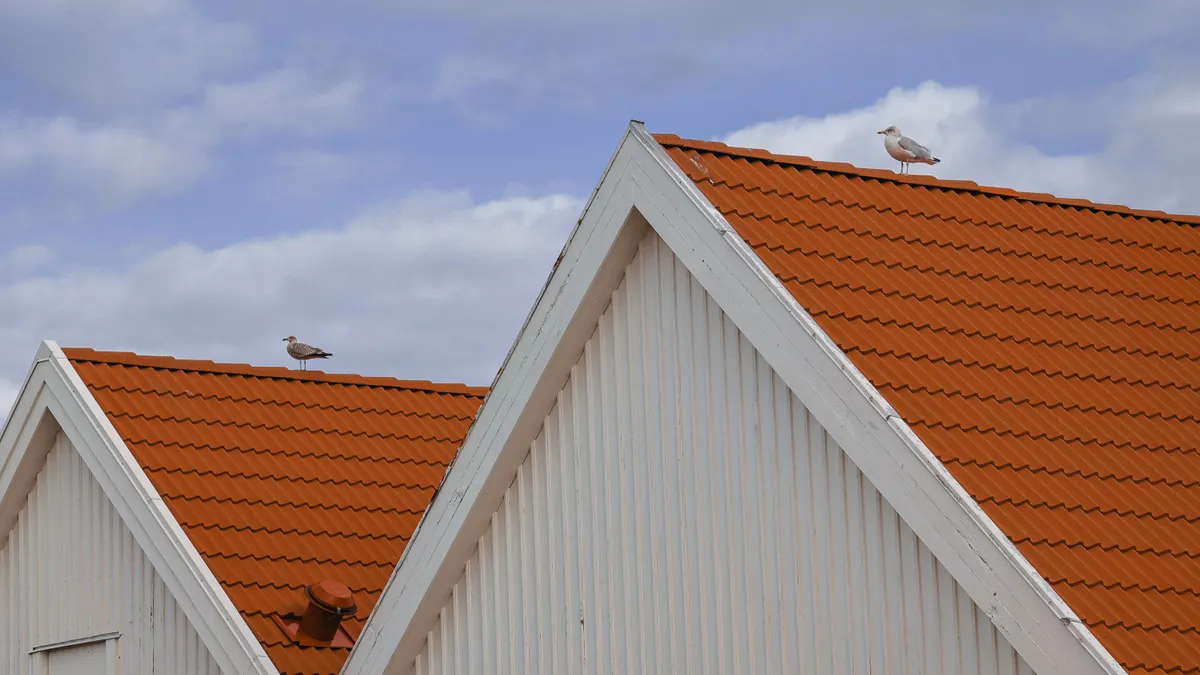
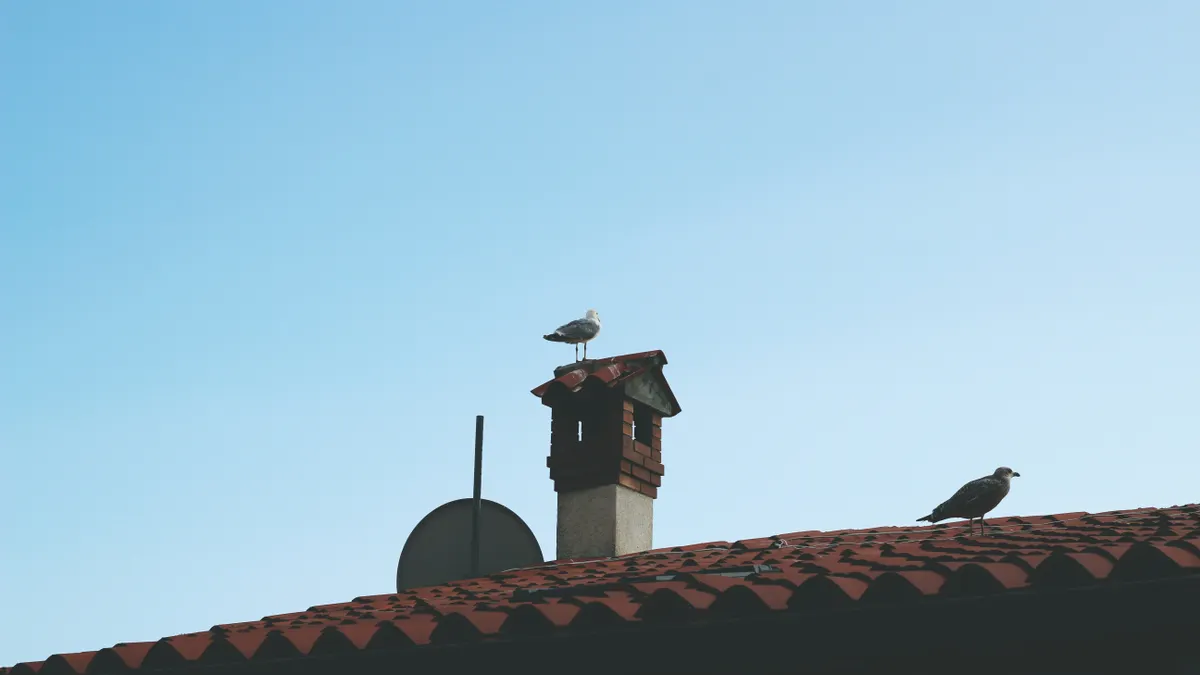
Vultures are roosting, not “attacking” the roof, and that matters because roosting birds return to the same high, open, flat spot again and again. A roof ridge, a chimney crown, and any tall edge with a clear flight path are the usual targets. If the birds are on one section of roof every morning, the site is acting like a favored perch.
The first thing to look for is where they are landing. A ridge cap, TV antenna bracket, chimney top, or the upper edge of a parapet can give them enough footing to balance. If droppings collect in one band rather than across the whole roof, that usually points to a perch problem, not random traffic.
This is the right fix when the birds are outside only and the complaint is noise, droppings, or a heavy bird sitting on the structure. It is not the same job as keeping birds from getting inside a vent or sealing an entry point after wildlife removal. The point here is discouraging landing and roosting on the outside of the building.
If the roof has steep slopes, slick metal, or broken edges, the answer may be simpler than it looks: eliminate the easiest stand-and-rest point. That is where a wildlife pro or roofer often starts, because a perch that works for a vulture will also work for a gull, crow, or pigeon. The source of the problem is behavioral, but the solution is physical.
How do I keep vultures off a roof?
You keep vultures off a roof by making the perch uncomfortable, unstable, or visually uninviting, then blocking the most attractive landing points first. The usual order is: clean the roof, protect the ridge and chimney, add visual deterrents if needed, and check the result over the next few days.
- Identify the exact perch, such as the roof ridge, chimney crown, or a flat ledge. You should see a clear spot where droppings, feathers, or claw marks concentrate instead of spread out across the entire roof.
- Remove nesting debris, old sticks, or anything that gives the birds a foothold. After this step, the perch should look bare and harder to grip.
- Install a chimney cap where the chimney is open. A fitted cap should cover the top opening and leave no easy place for a large bird to stand on the rim.
- Place deterrent spikes on the ridge, ledge, or narrow flat surface the birds use most. Properly installed spikes create a landing strip that feels unstable, and the birds should start choosing another spot.
- Add reflective deterrents such as shiny tape, mirrored streamers, or spinning visual devices near the perch. These work best where the birds can see them from a distance, and you should notice more hesitation before landing.
- Recheck after several days and move the deterrent if the birds shift one section over. A successful setup makes the birds avoid the roof edge entirely, not just hop two feet away.
The biggest mistake is spreading deterrents across the whole roof and hoping for the best. That wastes money and leaves the main perch untouched. A targeted setup on the 1 or 2 places they actually use is more effective and usually easier to maintain.
Roof ridge protection that actually changes behavior
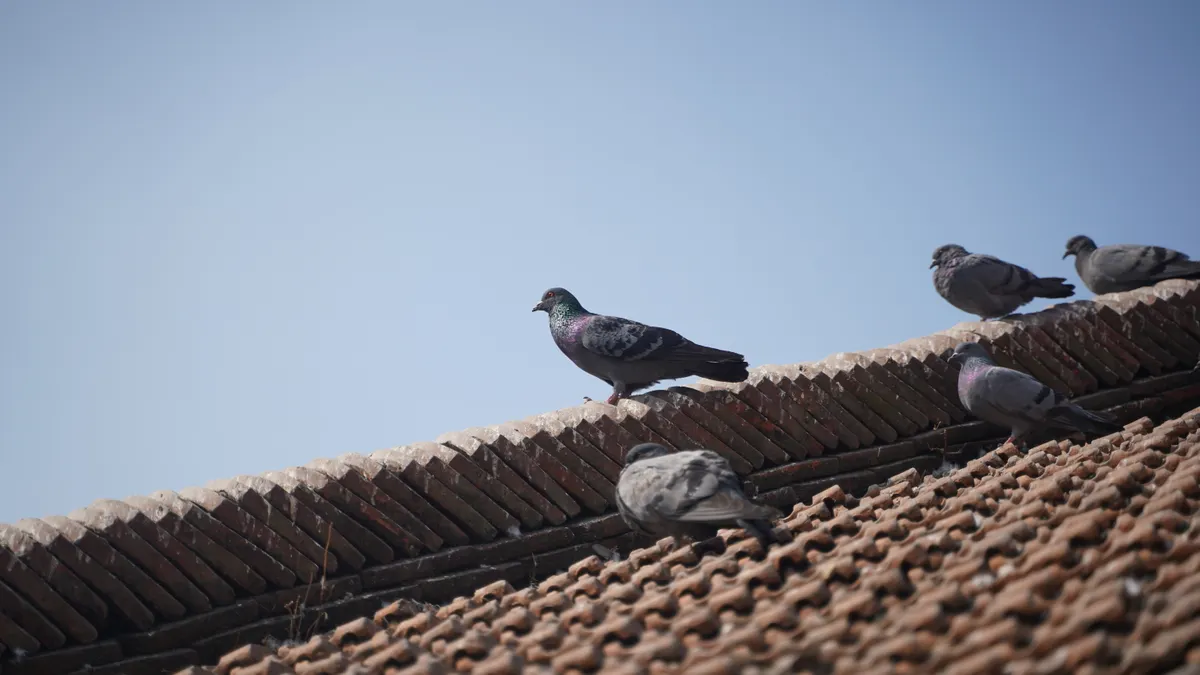
Roof ridge protection often works because vultures want a stable, elevated edge, and the ridge is often the best one on the property. A ridge line that is wide, flat, or easy to balance on will keep drawing them back unless it is physically altered.
Deterrent spikes are the standard first choice for narrow ridges and ledges. On a ridge cap, they should be installed so the bird cannot plant its feet between rows. If the spikes are too short, too far apart, or bent down during installation, the bird may still land. Spikes are meant to deny footing, not injure the bird, so spacing and coverage matter more than brand names.
Where the ridge is broader or uneven, a professional may use a mixed setup: spikes on the highest line, plus a slick barrier or a low-profile track that reduces balance. That is often better than a single tall visual device sitting nearby. Vultures are large birds; they can ignore a dangling object if the ridge itself still offers a solid perch.
This is also where bad installation shows up fast. A row of spikes that leaves gaps at corners or around roof features looks complete from the ground but still gives a bird a place to settle. If the birds keep landing on the same 3-foot section, the installation missed the real target.
For a homeowner deciding whether to call someone, ridge work is usually the point where labor costs rise, because access, pitch, and roof material matter. A steep roof, fragile tile, or a ridge that runs near a chimney will take more time than a low asphalt roof with easy footing. If the ridge is high or awkward, that is not a cosmetic fix; it is a job for someone who can work safely on the roof.
Chimney protection and why the cap matters
A chimney cap is often one of the most useful fixes when vultures use the chimney as a perch or try to stand on the top opening. The cap removes the flat, inviting rim and cuts off the best landing point in a single piece of hardware.
The right cap is sized for the flue and fastened so a large bird cannot knock it loose. A cap that is too small, too shallow, or perched loosely on top can fail quickly. What should happen after installation is simple: the chimney top looks closed off, and the bird has no obvious place to balance on the edge.
Chimney protection also helps because vultures often like heights with a clear view and no close obstacles. If the chimney sits above the roofline, it becomes a natural lookout. Closing that lookout changes the building’s shape from “easy roost” to “awkward surface.”
A cap alone may not solve the whole issue if the birds are using a nearby ridge, a satellite mount, or a parapet. The chimney may be the most visible problem, but the birds may shift 6 feet over if another perch remains open. That is why the cap works best as part of a full perch-control plan.
One caution: chimney work can affect venting if it is done badly. A cap should be the correct type for the chimney and flue setup. If there is any doubt about fit, the safer move is to have a chimney specialist or wildlife pro coordinate the install rather than guessing.
Visual deterrence for vultures: what helps and what fades
Visual deterrence can help vultures stay off a roof, but it usually works as support, not as the only fix. Reflective deterrents, moving tape, spinning vanes, and other flash-and-motion devices can interrupt landing behavior, especially on open roofs with good sight lines.
The value of visual deterrents is that they are fast to deploy and cheap compared with roof hardware. The drawback is just as clear: birds get used to them if nothing else changes. A shiny object that sits in the same spot for weeks can become part of the scenery. That is why visual tools work best when they are paired with a real perch change, such as spikes or a chimney cap.
Placement matters. A reflective strip hanging low on a gutter may do little if the bird is landing on the ridge 10 feet above it. The device has to be in the bird’s approach path. If the roof gets strong sunlight at one time of day, put the visual tool where the glare and movement are most obvious from that angle.
A good setup should make the birds hesitate, circle, or choose a different roofline. If they land anyway and stand comfortably beside the device, the deterrent is too weak or too far away. This is where many homeowners waste time: they buy one plastic owl, place it once, and expect a large wild bird to leave a favored roost forever. That is not how roosting pressure works.
For a cleaner result, change the visual deterrent every so often or move it a short distance. A small shift keeps the setup from becoming predictable. If the birds are persistent, visual deterrence should be treated as an add-on, not the main plan.
What a bad job looks like and what it usually costs you
A bad vulture-deterrent job is one that looks complete from the ground but leaves the main perch open. You can spot it when the birds keep using the same ridge corner, chimney edge, or upper ledge after the install. That usually means the coverage missed the real landing point or the materials were too light for the site.
The common failure is partial coverage. A short row of spikes may protect the center of a ridge while leaving the ends open. A chimney cap may fit loosely. A reflective strip may hang below the birds’ approach line. In each case, the birds simply shift 2 to 4 feet and keep using the roof. The cost is not just the first install; it is the second visit, extra materials, and more cleanup while the problem continues.
Another bad job is one that relies only on scare tactics. If the roof still offers a comfortable perch, vultures often ignore the scare object after a short while. That can leave the customer paying for a device that needs constant adjustment but never changes the roof itself.
The better choice is the one that fits the structure. A low roof with one obvious ridge may need one focused install. A complex roof with a chimney, multiple levels, and open ledges may need a layered approach. If someone quotes a single solution for every roof without looking at the perching points, that is a warning sign.
For the reader deciding who to call, ask three practical questions: where exactly will you install the deterrent, what part of the roof will you leave untouched, and how will you know it is working after 3 to 7 days? Clear answers are a better sign than a big promise.
When to bring in a roofer or wildlife pro
You should bring in a roofer or wildlife control pro when the perch is high, steep, fragile, or tied to a chimney that needs a proper cap. That is especially true on slate, tile, metal roofs, or anything with limited access, because the install matters as much as the product.
This is also the right move if the birds keep returning after one deterrent type is installed. A persistent return usually means the wrong spot was treated or the roof offers more than one perch. A pro can identify the bird’s actual landing path and choose between deterrent spikes, chimney protection, and visual deterrence without guessing.
The job is not ideal for someone who wants a quick one-hour fix on a complicated roof. A poor install can damage shingles, leave openings around the chimney, or create a false sense of success. If the site needs ladder work near a roof ridge or a tall chimney, the labor risk is real, and that changes the cost.
This page supports the larger wildlife removal by animal and behavior hub, but the decision here is narrower: stop roosting on the outside of the building. If the birds are only outside, the fix is usually physical deterrence, not a broad exclusion project.
A practical quote should account for access, roof pitch, number of perching points, and whether a chimney cap is part of the job. If none of that gets mentioned, the estimate is probably too vague to trust.
Why do vultures sit on roofs?
Vultures sit on roofs because the height gives them a good view and the roof edge often feels like a safe roosting place. A roof ridge, chimney top, or ledge can mimic a natural perch, especially if it is open and quiet. If one bird finds a comfortable spot, others often follow.
Will vultures damage a roof?
Vultures can cause a mess on a roof, and repeated roosting can add wear to the area they use most. Droppings may stain surfaces, and heavy use of one perch can reveal weak installation or existing roof problems. The bigger issue is often nuisance and cleanup, though a bad perch setup can become a maintenance problem.
Are vultures protected birds?
Vultures are protected birds in many places, so the safe approach is humane deterrence rather than harm. That means using roof ridge protection, a chimney cap, deterrent spikes, and reflective deterrents instead of traps or injury. Because rules can vary by location, anyone planning large-scale bird control should check local wildlife guidance first.
Drafted with AI; not yet reviewed by a person.