
 By Admin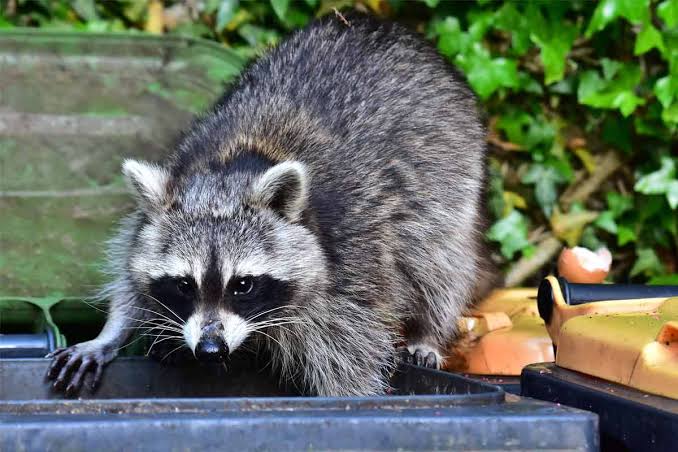
Last updated: September 10, 2026
Key Takeaways
- Keep a clear band of at least 18 inches around low structures when possible.
- Monitor the site for 2 to 4 weeks.
- They climb well and commonly use trees, vines, and roof edges.
- I’m not treating this as a “spray something and hope” problem; if the animal is active in a structure or the sign is unclear, consult a professional wildlife control operator or local animal control and check guidance from your state wildlife agency or the CDC.
The short version? Species matters. So does the damage pattern. And the place they’re using matters too. A mouse in a pantry is not a raccoon in an attic, and pretending those jobs are the same is how people waste money.
I’m going to walk through the common species one by one, show you what each one is actually doing, and say where a standard control approach fits — and where it flat-out doesn’t. No fluff. Just the parts that change the outcome.
Who this guide is for — and what it assumes you already know

Homeowner? Renter? Property manager? Small-business operator? This guide fits all of them, provided you’ve already seen tracks, droppings, digging, scratching, nesting, or repeated access in the same place for more than a day or two. It also assumes you can look at a gap, a wall line, a soffit, a crawlspace, a dumpster area, or a yard and say where the activity is happening. And you know the difference between a one-off passerby and a spot that has become a regular route or den.
Because this is about common nuisance animals by species — The Complete Guide, I’m not treating this as a “spray something and hope” problem. Species matter because mice squeeze through a gap about 1/4 inch wide, rats need bigger access but do far more structural damage, raccoons use strength and dexterity, skunks dig shallow holes and spray when cornered, and birds, squirrels, bats, snakes, opossums, groundhogs, armadillos, and chipmunks each leave different signs. A generic answer misses the whole point. For background on rodent and wildlife exclusion, see the CDC rodent control guidance and your state wildlife agency.
Not every animal problem belongs in the DIY pile. A sick, aggressive, trapped, or visibly injured animal, a bat in a bedroom, a bite incident, or any conflict involving local permits or protected species rules changes the job fast. Health, safety, and legal issues show up quickly. If the animal is in living space, in a school, in a food-prep area, or acting strangely in daylight, I would stop and escalate.
For everything else, the core question is still the same: what species is using the site, what is it getting from the site, and what change actually breaks the pattern? That is the question I answer below, species by species.
Which nuisance animal is it?
Start with the sign, not the guess. That matters more than people want to admit. The same attic can host squirrels, raccoons, or bats, but the repair, timing, and exclusion method differ enough that a wrong call wastes money and time. Look at droppings, damage, entry height, odor, sound, and season. A 3/8-inch chew hole low on a foundation means something very different from torn soffit vents under the eaves.
That distinction matters because exclusion is species-specific. A mouse job may be solved by sealing gaps with steel wool plus sealant or better yet metal mesh and mortar; a raccoon job needs heavy-gauge hardware cloth and a way to avoid trapping young; a bird problem may need netting or a ledge change; a snake problem often means removing the prey and cover that drew it in. If you start with the wrong animal, you often “fix” the wrong opening and leave the real one untouched. Classic facepalm territory.
Here is the quick read I use when I’m sorting nuisance animals by sign:
- Small black pellets, 1/8 to 1/4 inch, in cabinets, along walls, or in insulation: mice.
- Larger blunt droppings, 1/2 inch or more, grease marks, gnawing on wiring or stored goods: rats.
- Noisy night traffic in attic, torn soffit, raccoon latrine in a flat area: raccoons.
- Chewed cone debris, acorns, attic daylight through small gaps, light scratching: squirrels or chipmunks.
- Digging at lawn edges, under sheds, or around concrete slabs; strong odor: skunks, groundhogs, or armadillos depending on region.
- Repeated droppings on sills, rafters, ledges, HVAC units: birds.
- Serpentine skin, no burrow, prey signs, or garage/woodpile use: snakes.
People often miss one simple thing: some sign is location-specific. Droppings in a pantry point toward rodents; the same droppings in an attic may point toward roof entry. Tracks in mud under a deck are not the same as a trail beaten into mulch beside a fence. A proper diagnosis starts with the place, not just the species name.
Common nuisance animals by species: the practical guide

Solve these problems by pairing the animal with the behavior it uses to survive on your property. That sounds plain, because it is. But it saves work. I’m keeping this concrete for a reason: the same “nuisance animal” label covers wildly different habits. Fewer surprises. Fewer bad repairs.
Mice
Mice are the classic gap specialists. A house mouse can use openings around 1/4 inch; that means a split at the base of a door, a gap around a pipe, or a utility penetration can be enough. They leave small droppings, nibble food packaging, and run tight to walls. Indoors, I look first at kitchens, pantries, furnace rooms, and cluttered garages.
Access and food are the real story. A few crumbs, unsecured pet food, bird seed, or cardboard storage can keep the problem alive, but if the site is active or the pattern is unclear, consult a pest management professional for inspection and exclusion advice. Exclusion has to be thorough: seal gaps around pipes and cables, fix door sweeps, patch vents with metal materials, and remove nesting clutter. Snap traps still matter when activity is active, but if the building has access points, new mice replace the old ones. The EPA also recommends prioritizing exclusion and sanitation over relying only on chemical control.
I do not treat mice as a “yard only” problem. Ignore the interior routes, and you can chase the issue for months. One trap is not proof. Not even close.
Rats
Rats are bigger, smarter, and harder on structures. Roof rats and Norway rats behave differently, but both use walls, burrows, utility lines, crawlspaces, and dense cover. Rats can gnaw through soft materials and will contaminate stored goods, insulation, and sometimes wiring. Their droppings are larger than mouse droppings, and their runways often sit beside foundations, fences, or thick vegetation.
Remove the conditions that let them stay: trash, spilled bird seed, ground clutter, stacked materials, and openings at ground level or higher. A rat problem is rarely just one hole. I’d assume multiple access points and multiple feeding sites until proven otherwise. Exclusion has to be heavier than for mice: sheet metal, hardware cloth, concrete patch, and well-fitted covers. If burrows are present, the exterior perimeter may need grading or structural repair.
Roof rats get undercounted, especially in warmer climates. They climb well and commonly use trees, vines, and roof edges. If you only focus on the foundation, you miss the actual route. Then the whole job wanders off track.
Squirrels
Squirrels are attic invaders, gnawers, and seasonal opportunists. They enter through roof gaps, damaged soffits, uncapped vents, and chewed fascia. The signs are daytime noise, shredded insulation, chewed wood, and sometimes a distinct run along rafters. They often enter higher than people expect, so the problem may look small from the ground and serious once you are in the attic.
Timing is the catch. Exclusion can backfire if young are present. In nesting season, sealing an entrance without checking for dependent young can create a welfare problem and a smell problem. A one-way exit device may be appropriate in some situations, but only after confirming the site does not contain a nest with young. After removal, repair the entry with durable materials; squirrels chew softer patching. For repair basics, see your local extension office or a licensed wildlife control operator.
Chipmunks are smaller and usually create burrows, not attic access. Don’t lump them together because they both look “squirrel-like.” The fix is different: chipmunks usually require burrow interruption, habitat reduction, and sometimes barrier reinforcement around patios, foundations, or steps.
Raccoons
Raccoons are strength-and-dexterity animals. They pry open soffits, tear shingles, remove vent covers, and raid trash. Their damage is often louder and more destructive than people expect. If there is an attic or chimney entry, the issue can become serious quickly because raccoons often use enclosed spaces for denning.
The key detail with raccoons is that exclusion must be strong and the timing must be right. A flimsy repair gets ripped back open. A den with young needs careful handling, because sealing an adult out while kits remain inside creates a welfare issue and usually a bigger mess. You also need to be cautious around feces in attics or crawlspaces; raccoon latrines can create a health hazard, and cleanup should follow proper respiratory precautions and disposal rules.
Trash management matters more with raccoons than with most species. Tight lids, secured bins, and removal of pet food and fallen fruit can make the site less attractive, but if they have already dened in the structure, food alone is not the whole story. Where activity is repeated, consult a licensed wildlife control operator rather than guessing at the next repair. Sometimes the “obvious” fix is just cosmetic.
Skunks
Skunks are a digging and odor problem. They burrow under sheds, decks, porches, slabs, and outbuildings. Their holes are shallow and conical where they dig for grubs. If startled, they can spray, and that changes the entire response.
What people miss with skunks is that the burrow is often under a structure, not in the open yard. You need to identify the den entrance, then decide whether the animal is actively using it and whether young may be present. Exclusion usually means closing the gap line with buried barrier material or digging protection, not just filling the visible hole. A neat soil patch over the entrance is not a solution if the skunk reopens it overnight.
Skunks are one of the species where I’d be most careful about rushing in with a shovel. If the odor or the access point suggests active use, the wrong move can turn a nuisance into a sprayed property and an angry animal. If you are not sure the den is empty, ask a professional to inspect before sealing.
Opossums
Opossums are opportunists. They use crawlspaces, under-deck voids, garages, and sheltered areas near food. They are less likely to tear structures apart than raccoons, but they can foul spaces, leave odor, and attract secondary pests. They also often show up after another animal has already made an opening.
The main thing to remember is that opossums are not usually the species that created the hole. They use what is already there. That means you still need to repair the access point, but you should also look for the original damage source. If a deck skirt is open, a missing vent screen is loose, or a crawlspace door doesn’t latch, you have not solved the real problem by moving one animal out.
Opossums can sometimes be handled with exclusion once they leave, but only after checking that the space is empty and the route is closed. They are wrong for a “poison it and forget it” mindset; that is not a proper approach for wildlife and can create secondary hazards. Honestly, that shortcut usually backfires.
Birds
Birds are a ledge, roofline, gutter, and equipment problem. Pigeons, sparrows, starlings, and similar nuisance birds nest on ledges, in vents, under solar panels, on signage, and in warehouse rafters. Their droppings create slip hazards and corrosion concerns, and nesting material can block drains and vents.
The first rule with birds is simple: habitat changes beat chasing. Spikes, netting, sloped surfaces, exclusion mesh, and closure of voids are the tools that matter. If birds are nesting in a vent or soffit, the entry has to be closed after confirming the nest status and any local wildlife rules. For solar arrays, panel skirts or mesh systems can stop access under the modules.
A generic article often says “clean and scare them away.” That is not enough for an established ledge or mechanical ledge. Birds return to stable perches unless the physical landing place changes, so the fix has to be structural, not cosmetic. Otherwise, you’re just mopping the floor after the leak.
Bats
Bats belong in a separate category because of health risk and legal sensitivity. If a bat is in a living space, especially a bedroom where someone was sleeping, I would treat that as a high-priority situation, not a normal nuisance job, and I would contact public health guidance or a licensed wildlife professional before doing anything else. Bat exclusion is usually seasonal and must be timed to avoid trapping pups inside roosts. Bats can enter through very small gaps at rooflines, ridge vents, and flashing failures.
The practical distinction is that bats are not handled like rodents or squirrels. A one-way exit device and follow-up sealing are common parts of the process, but the timing and legal framework matter. If you have a bat colony in an attic, local wildlife and public health guidance should be checked before any exclusion work. For a single bat indoors, the response is different from an attic colony.
I’m deliberately not giving a casual DIY treatment here, because bat situations carry disease concerns and exclusion mistakes can create a bigger health problem than the nuisance. The CDC rabies guidance is the right place to start if there has been direct contact or a possible bite.
Snakes
Snakes are usually a sign of prey and cover, not a “snake problem” by itself. They come where rodents, lizards, frogs, dense brush, woodpiles, or crawlspace openings exist. They enter under doors, through utility gaps, and into basements, garages, and low openings. In many cases, the snake is not the root issue; the food source is.
Remove cover, seal entry points, and control prey species. Tall grass, junk piles, stacked lumber, and dense foundation plantings all make a site easier for snakes to use. If the species is venomous or uncertain, that changes everything: do not attempt handling without trained help. A snake under a deck or in a basement is not something to “corner and grab.”
A generic guide that says “just seal holes” misses the ecology. Snakes come back if the prey and shelter stay in place, so the site has to be made less usable overall. That is the difference, really.
Groundhogs, armadillos, and chipmunks
These are burrow animals first. Groundhogs dig substantial burrows with multiple entrances and can undermine sheds, patios, and retaining walls. Armadillos root for insects and dig shallow to moderate holes, especially in warmer regions. Chipmunks burrow near foundations, walks, and rock features, often under steps or stoops.
The shared mistake is treating all burrowers the same. A shallow patch over a chipmunk hole does not solve a groundhog den. A groundhog may require much more substantial exclusion around a structure edge, while armadillo damage can be tied to insect activity in the turf. If the lawn is full of grubs, the digging will keep coming.
These are the species where habitat change matters as much as direct control. If the yard offers easy digging and abundant food, the burrows will keep appearing. That is why many cases are solved only after the food source and the entry route are both addressed.
The work sequence that keeps the problem from coming back
You deal with nuisance animals by identifying the species, removing the attractant, excluding the access, and confirming the route is actually closed. That sequence is the one that works across most species, and it is the one people usually scramble.
- Confirm the species from sign, not guesswork. Measure droppings, look at entry height, and note the damage pattern. Mouse droppings are small; rat droppings are larger; raccoon damage is forceful and often high; skunk digging is shallow and conical. Verify that the sign clusters in one zone, not all over the property. A problem is if you can’t tell whether the sign is fresh or old, because then you may seal the wrong opening.
- Map every access point within a 10 to 15 foot radius of the sign. Check vents, soffits, utility penetrations, pipe chases, gaps under doors, crawlspace openings, and roof edges. Use a flashlight and a mirror where needed. Verify that each opening is large enough for the species you suspect. A problem is any gap, crack, or torn screen left unaccounted for; one missed opening can keep the cycle going.
- Remove the food and water that support the animal. Store pet food in sealed containers, close trash lids, clean up fallen fruit, repair dripping outdoor faucets, and clear spilled seed. For rodents, even a small food source matters; for raccoons and birds, open garbage or feeders can anchor the behavior. Verify that feeding has stopped for at least several nights. A problem is if new sign appears right after cleanup, which means the animal is still finding a source or still entering.
- Reduce cover and travel lanes. Trim vegetation at the foundation, move stacked wood away from walls, clear brush, and open sightlines around sheds and decks. Keep a clear band of at least 18 inches around low structures when possible. Verify that the animal no longer has hidden approach paths. A problem is dense cover touching the building, because it gives shelter and concealment.
- Choose the exclusion method that matches the species and opening. For mice and rats, use materials that resist chewing and fit