
 By Admin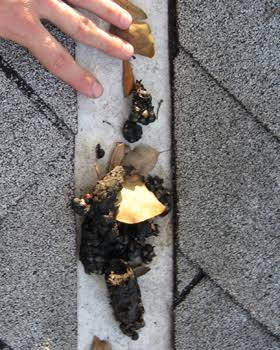
Last updated: September 10, 2026
Key Takeaways
- Here is the sequence I would follow for a small, manageable area: Keep everyone out of the area for at least 30 minutes.
- Let it sit for the label contact time, commonly 5 to 10 minutes.
- If the waste keeps appearing after 1 or 2 days, the animal is still coming back.
- The short version is this: raccoon feces are the bigger red flag.
Yes—raccoon droppings can be dangerous, and squirrel droppings can be as well, though the reasons differ, as do the risk levels. Found pellets in an attic, crawl space, garage, or on a deck? Then the safe assumption is simple: the waste may carry germs, and the cleanup method matters more than the pile size.
Who this applies to, and what I’m assuming you already know

This applies if you found animal droppings in or around a home, shed, attic, crawl space, chimney chase, porch, or insulation, and you need to know whether you can clean it yourself or should stop. I’m assuming you can tell the difference between fresh and old droppings well enough to avoid touching them bare-handed, and that you have basic household supplies like disposable gloves, a trash bag, paper towels, and a disinfectant labeled for animal waste. No respiratory protection? No biologist’s eye? No pest-control background? That’s fine.
The short version is this: raccoon feces are the bigger red flag. Raccoons can spread Baylisascaris procyonis, a roundworm whose eggs can survive in the environment for a long time and can cause severe disease if swallowed. Not every raccoon dropping is infected. Still, the risk is serious enough that I would treat raccoon droppings in an attic or latrine site as a hazardous cleanup unless the area is tiny and you can follow strict wet-cleaning steps; for larger or uncertain jobs, consult a professional and follow CDC guidance on Baylisascaris and raccoon latrines. Squirrel droppings are generally less notorious, but they can still carry bacteria and parasites, and they are not harmless if they’ve contaminated insulation, stored items, or food-contact surfaces; when in doubt, consult a pro and check local public-health guidance.
I would not use the same casual cleanup approach I’d use for pet stool outdoors. A 2-inch patch on a patio and a 2-square-foot pile in attic insulation are different problems. Indoors, the concern climbs quickly. So does the mess. If the droppings are indoors, you smell urine or see nesting material, or you suspect children, pets, or anyone immunocompromised had contact with the area, the stakes go up fast.
Raccoon droppings versus squirrel droppings: what is actually dangerous?
Raccoon droppings are the more dangerous of the two because of Baylisascaris risk, and squirrel droppings are usually a lower but still real sanitation problem. That does not mean every raccoon scat sample is a medical emergency. It does mean raccoon latrines—shared toilet spots where raccoons return again and again—deserve special caution.
Baylisascaris is a nematode, which is the field term for a roundworm. Humans can become infected if microscopic eggs are ingested, often from contaminated hands, dust, tools, or surfaces. The larvae can migrate through tissue and, in severe cases, affect the brain, eyes, or other organs. That is why I would never dry-sweep, vacuum with a regular household vacuum, or shake out contaminated insulation from a raccoon site. Those actions spread contamination rather than remove it. Bad trade-off.
Squirrel droppings are different. Tree squirrels and ground squirrels can carry a mix of bacteria and parasites, and their droppings can contaminate pantries, attics, and wall voids. They are also a signal that the animal has been living, nesting, or feeding nearby. The main practical risks are contamination of surfaces, unpleasant odor, and secondary pests like flies or mites. In other words, squirrel droppings are usually more of a sanitation and nuisance problem than a classic high-risk parasite problem, but I would still treat them as potentially infectious material; if you are unsure about exposure or cleanup scope, consult a professional and review CDC and local health department advice.
A useful rule: if the droppings look like they came from a repeat toilet area in an attic, wall void, or crawl space, assume the environment itself is contaminated. A single pellet on a fence is not the same as a latrine in insulation. The setting changes the risk more than the species name alone.
What should I do if I find them in my house?
Start by isolating the area, skipping dry cleanup, and using wet methods with disposable protection before you touch anything. The practical goal is to keep dust down and prevent anything from becoming airborne or ending up on your hands, clothes, or shoes. For extensive contamination or suspected raccoon latrine behavior, the best move is often to stop and bring in qualified wildlife or biohazard cleanup help.
Here is the sequence I would follow for a small, manageable area:
- Keep everyone out of the area for at least 30 minutes. Close the door or block access, and keep kids and pets away. Verify that no one has stepped in the droppings or tracked material through the house. If the area has a strong ammonia smell, visible nesting, or droppings in more than one spot, that suggests a broader infestation problem.
- Put on disposable gloves, closed shoes, and a mask that fits snugly. For dusty indoor work, a respirator with N95 filtration is the minimum I would consider; for high-risk raccoon cleanup, that level is better than a loose dust mask. Verify the mask seals well and your skin is covered. A tear in the glove or exposed ankle skin is a problem. No shortcuts.
- Do not sweep or vacuum dry material. Lightly mist the droppings and surrounding surface with a disinfectant labeled for animal waste or a bleach solution only if the product label allows it on that surface. Let it sit for the label contact time, commonly 5 to 10 minutes. Verify that the material is damp, not puddled. If you create runoff into insulation or drywall, you’ve made the cleanup bigger.
- Pick up the droppings with paper towels, disposable scoop tools, or a plastic scraper. Use enough towels to avoid smearing. Verify that fragments are fully collected. If the material crumbles into dust or the surface is porous, the problem may extend beyond the visible pile.
- Double-bag all waste in 2 mil or thicker trash bags. Twist, seal, and place the first bag into a second bag. Verify there are no tears and no visible leakage. A bag that feels wet on the outside means you need a third bag or a more careful transfer.
- Clean the hard surface after removal, then disinfect it again. Wash with soap and water first if the surface allows it, then apply disinfectant with the label’s full contact time. Verify the surface is visibly clean. If the area is unfinished wood, insulation, or damaged drywall, surface cleaning alone is not enough.
- Remove gloves safely and wash hands for 20 seconds with soap and water. Change clothes if they may have been contaminated. Verify you did not touch your face, phone, or door handles with contaminated gloves. If you did, clean those items too.
- Inspect for the source. Look for entry holes, nesting material, urine staining, chew marks, or repeated latrine spots. Verify whether the droppings are isolated or part of active animal use. If you find ongoing activity, cleanup without exclusion work will fail.
One honest limitation: if droppings are in loose insulation, along HVAC components, above a drop ceiling, or spread over several square feet, I would not treat it as a normal housekeeping task. In those settings, the cleanup is not just “remove poop”; it is contamination control, and consulting a professional is the safer path. Plain and simple.
How dangerous are squirrel droppings compared with raccoon droppings?
Squirrel droppings are usually less dangerous than raccoon droppings, but they are not clean, and I would not treat them casually indoors. The common mistake is thinking “small rodent, small problem.” That logic breaks down when droppings sit in insulation, food storage areas, or enclosed spaces where dust gets stirred up.
The practical risk from squirrel droppings is contamination. They can carry bacteria, and any animal waste can attract flies and spread filth onto nearby surfaces. If a squirrel has nested in an attic, you may also find shredded insulation, chew damage to wiring, and urine-soaked material. That matters because urine and feces together create a larger cleanup job than either one alone.
I would place squirrel droppings into three rough categories. First, a few isolated pellets on an outdoor deck or lawn: low concern, but still clean with gloves and wash hands afterward. Second, droppings in a garage, shed, or unsealed storage room: moderate concern, because the waste may contact tools, pet supplies, or seasonal items. Third, droppings inside living space, in pantry shelving, or mixed through attic debris: higher concern, because contamination has likely spread and the source animal may still be present.
The difference between raccoons and squirrels also matters for exclusion. A squirrel problem often points to a gap in soffits, vents, fascia, or rooflines. A raccoon problem often means a stronger, more persistent entry point and a latrine site that may need partial material removal, not just disinfection. Clean the waste alone, and it often returns. That’s the trap.
When should I stop and get outside help?
Stop when the amount, location, or species makes simple cleanup the wrong tool. On this subject, “outside help” usually means wildlife control or a cleanup service familiar with biohazard and attic contamination, not a general handyman with a broom.
Droppings are in loose attic insulation: The waste may be mixed through a porous material that traps contamination — Do not stir it up; have the contaminated section evaluated for removal and replacement.
You suspect raccoon latrines, not just random droppings: Repeated use means heavy parasite concern and concentrated contamination — Stop cleanup and arrange professional assessment.
The area is larger than a kitchen towel or a few scattered pellets: The cleanup is no longer a simple spot job — Use a qualified service, especially if multiple surfaces are involved.
You see chewed wiring, torn duct insulation, or urine staining: The animal is active or recently active, and there may be fire or structural risk — Do not just remove the droppings; address the entry and damage first.
Anyone in the home is pregnant, immunocompromised, very young, or has breathing problems: The consequence of exposure is higher — Keep them away and let someone else handle the cleanup.
The droppings may have been tracked through HVAC or a central return: Contamination can spread through the air-handling system — Shut down the system if you can do so safely and get help before operating it again.
You cannot identify the animal with reasonable confidence: The wrong cleanup method can spread the wrong hazard — Treat it as the higher-risk scenario until identified.
I would be especially cautious if the droppings are old and dry. Old waste can crumble easily, and crumbling is exactly what you do not want. If you have to ask whether the area is “too much,” that is usually the answer. Trust that feeling.
The mistakes people actually make, and what they cost
The biggest mistake is dry sweeping or vacuuming. That turns settled waste into airborne dust and contaminates the vacuum itself. The correct alternative is wet cleanup with disposable tools and controlled bagging.
Another common error is wearing thin gloves and then touching doorknobs, phones, or face masks. That spreads contamination beyond the original spot. The correct alternative is to treat the gloves like a dirty shell: touch only the cleanup materials, then remove them carefully and wash hands for 20 seconds.
A third mistake is using deodorizer alone because the smell goes away. Odor control is not disinfection. The consequence is that the area may still be contaminated even if it smells better. The correct alternative is soap-and-water cleaning followed by an appropriate disinfectant with the full contact time.
A fourth mistake is cleaning the droppings but leaving the entry hole open. That invites another round of nesting and waste. The correct alternative is to locate and seal the access point after the animal is gone; for raccoons and squirrels, that often means vent screening, chimney caps, soffit repair, or exclusion work.
A fifth mistake is throwing all contaminated material into a regular trash can without sealing it. That can spread contamination during transport. The correct alternative is double-bagging and keeping bags intact until disposal according to local waste rules.
A sixth mistake is assuming that because the droppings are “just from a squirrel,” no protective steps are needed. That is how people end up tracking waste into living spaces or contaminating stored items. The correct alternative is modest caution every time: gloves, mask, wet methods, and handwashing.
What changes if the droppings are old, dry, or in an unusual place?
Old, dry droppings are more likely to crumble, and that makes them harder to handle safely. In a sealed pantry, on top of cabinetry, or inside a wall void, I would shift from spot cleanup to contamination assessment. The visible pile is often only the tip of the problem.
If the waste is on porous materials like carpet, unfinished wood, insulation, or cardboard, surface disinfection alone will not fix it. Porous materials soak in contaminants. The practical solution may be removal, disposal, and replacement of the affected material, especially if the area was used repeatedly.
For outdoor droppings on soil or a deck and only a few in number, the response is simpler. Wear gloves, pick them up with a damp disposable towel, bag them, and clean the spot. I would still avoid pressure washing, because that can spread contamination over a wider area. A gentle wet clean is better than turning the site into a spray zone.
If you are dealing with multiple animals or repeated droppings across several zones, think in terms of source control. A single cleanup pass rarely solves a live-entry problem. If the waste keeps appearing after 1 or 2 days, the animal is still coming back.
FAQ: what people ask me most often
Can I just bleach raccoon droppings?
Not by itself. Bleach can be part of disinfection on some hard surfaces, and CDC guidance emphasizes wetting contaminated material and cleaning carefully; for anything beyond a tiny, controlled spot, consult a professional rather than relying on bleach alone.