
 By Admin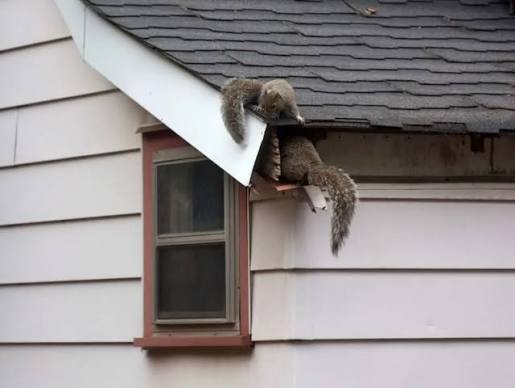
Last updated: September 10, 2026
Key Takeaways
- Mark every suspect opening within about 10 to 15 feet of the damage.
- If you are still hearing movement after 72 hours of exclusion, stop assuming the problem is solved.
- A hole as small as about 2 inches can be enough for some squirrel species; I would not trust a gap just because it looks small.
- If the squirrel ignores the device after 24 to 48 hours, you may not have placed it over the true entry.
Two-part job. That is the plain version. If you are trying to remove squirrels from the attic, the job is not “catch and forget them.” It means getting them out without trapping babies inside, then closing the entry point so they do not return. For most homeowners, how to remove squirrels from attic space is a two-part job: eviction first, sealing second. Consult a licensed wildlife professional or local extension office if you are unsure whether young are present; the Humane Society of the United States and state wildlife agencies both advise caution with wildlife exclusion.
Table of Contents
- Who this is for — and who should do something else
- What you should know before you close anything up
- How do I get squirrels out of the attic?
- What if there are babies in the nest?
- The mistakes people make, and what they cost
- When should I stop trying to do this myself?
- How long does squirrel removal take, and what does “done” look like?
- What a careful homeowner should do next
- FAQ
Who this is for — and who should do something else
Hear scratching at dawn or dusk? Find shredded insulation, acorn debris, or a hole at the roof edge, fascia, soffit, or gable vent? Then this is the right playbook. It assumes you can safely inspect the outside of a one- or two-story house, identify obvious openings, and work with a ladder, flashlight, gloves, and basic sealing materials like 1/4-inch hardware cloth, galvanized flashing, or exterior-grade sealant.
Not every house qualifies. It does not apply if you have a live squirrel inside a finished wall, if the attic floor is unsafe to walk, if the roof is too steep for sure footing, or if you suspect a mother with dependent young. In those cases, the wrong move is to start trapping at random. A female squirrel can have a nest hidden in insulation or a soffit cavity, and sealing the wrong opening first can leave babies behind to die in the attic. Ugly outcome. Smell problem, pest problem, cleanup problem.
Large infestation? Chewed wiring? A high roofline you cannot reach safely? Then the DIY plan stops being the right tool. Squirrels are not a “spray and pray” problem; the failure point is usually access and exclusion, not the bait. For repair and exclusion details, the University of Nebraska Extension and the CDC both publish practical guidance on wildlife entry points and cleanup.
What you should know before you close anything up
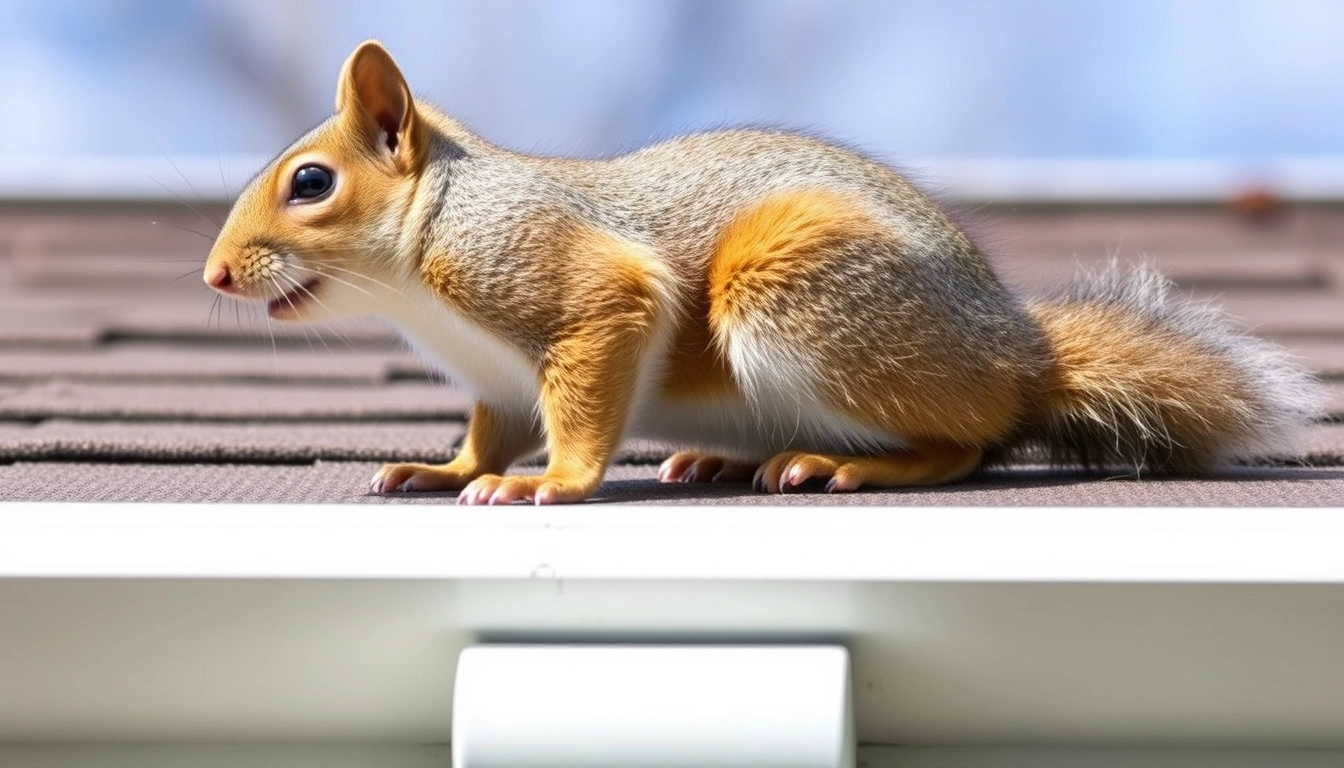
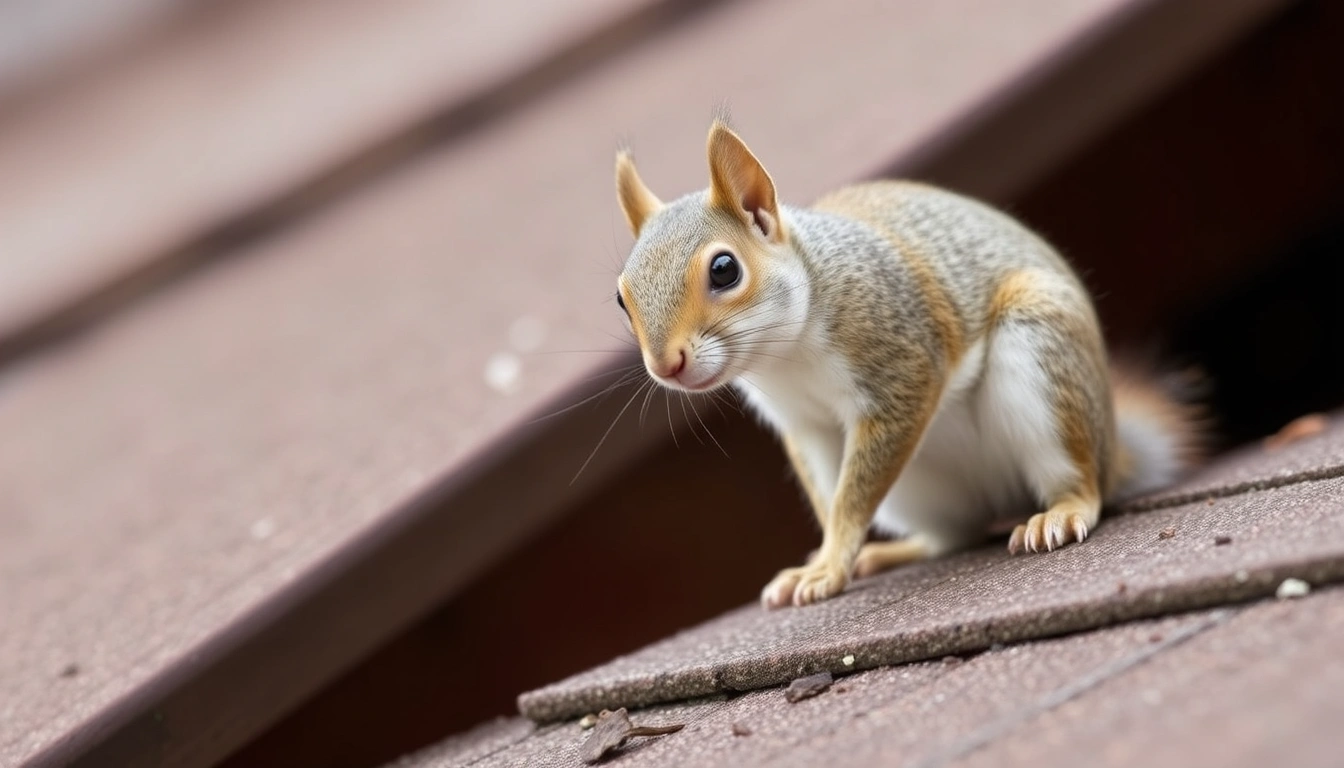
First, you need the route. Then the timing. Then the adult-versus-young question. Squirrels usually use the same route over and over: along tree limbs that touch the roof, around a damaged soffit corner, under lifted drip edge, through unscreened gable vents, or at the roof-to-wall junction. A hole as small as about 2 inches can be enough for some squirrel species; I would not trust a gap just because it looks small.
Check the signs before you touch a thing. “Runways” are repeated travel paths on insulation or dust. “Grease marks” are dark smudges along a beam or entry edge. Fresh droppings, chewed wood, and pieces of bark or leaf litter near one spot usually tell you the active entrance. Listen at dawn and late afternoon for movement; that is when squirrels are most active.
I would not seal the first hole you see until I have found every likely opening within a few feet of it. Squirrels often use one obvious hole and one hidden backup hole. Close only the obvious one, and they may just shift entrances or chew a new one. Like water finding the crack.
For guidance on wildlife exclusion and humane handling, the Humane Society of the United States has practical material, and many state wildlife agencies also publish nuisance-wildlife guidance. For attic contamination and cleanup around animal droppings, the CDC’s cleanup guidance for rodent infestations is worth reading even though squirrels are not rodents you want to handle casually. The National Wildlife Control Operators Association also has exclusion standards that many professionals follow.
How do I get squirrels out of the attic?
Open a one-way exit. Wait long enough for the attic to empty. Then seal the structure. That is how to remove squirrels from the attic without turning the job into a bigger mess. The usual method is a one-way exclusion device placed over the active entry hole so squirrels can leave but cannot re-enter. That approach is common in wildlife control, but if the roof is steep or the entry is hard to reach, consult a professional rather than improvising.
Here is the sequence I would follow:
- Locate the active entry point: Check the roof edge, soffits, gable vents, dormers, and chimney flashing with binoculars or from a stable ladder. Mark every suspect opening within about 10 to 15 feet of the damage. Fresh chew marks, droppings, or worn edges are the giveaway. If you cannot find a single likely route, or if multiple holes are active, that is a problem because exclusion may fail.
- Confirm there are no babies visible: Look for nesting material, tiny droppings, or high-pitched calling from a nest pocket. A nest with dependent young means you should not seal the family inside. Verify the attic is quiet at midday as well as at dawn. If you hear repeated crying or see a nest in a soffit corner, the problem is likely a mother with young.
- Install a one-way exit over the active hole: Use a professionally made one-way squirrel door or a secure funnel-style exclusion device sized to the opening; for a typical 2- to 4-inch gap, the device must be firmly fastened on all sides with screws or staples appropriate to the substrate. Check that the unit cannot lift, flap, or leave a side gap. If the squirrel can squeeze around the device, the installation is wrong. If you are not comfortable working at height, consult a professional and follow the manufacturer’s instructions.
- Open a second path only if needed: If the attic has more than one exit route and the animal keeps returning, open a safe secondary route near the same entry zone, not across the roof. Make sure the second path does not create a new hole that needs later repair. If the squirrel ignores the device after 24 to 48 hours, you may not have placed it over the true entry.
- Wait at least 2 full days before sealing anything else: Leave the exclusion in place long enough for the attic to go quiet. No scratching. No dawn movement. No fresh droppings near the opening. If noise continues after 48 to 72 hours, a second squirrel may still be inside or you have missed an entry point.
- Seal every other opening in the same zone: After the attic is quiet, close all gaps larger than about 1/4 inch with hardware cloth, flashing, or repaired soffit material. Verify each patch is screwed down or otherwise mechanically fixed; sealant alone is not enough on a chewing animal. If you leave a weak spot, the squirrels will find it.
- Remove the one-way device and patch the final hole: Once no activity has been heard for several days, remove the exclusion and permanently close the opening with chew-resistant material. Verify the repair is flush and weatherproof. If the repair sits loose, rattles, or can be pulled by hand, it is not done.
- Clean the attic access area carefully: Bag nesting material, vacuum loose debris with a HEPA-filter vacuum if you have one, and avoid sweeping dry droppings into the air. Verify insulation is still dry and wiring is intact. If there is a strong ammonia smell, wet staining, or chewed electrical insulation, the cleanup needs more than basic tidying.
Time is the trade-off. A one-way exclusion is slower than setting a trap, but it is cleaner and usually less disruptive if the attic is easy to access. The wrong tool here is repellent spray inside the attic; smells may change behavior for a day, but they do not solve the entry problem. Smoke and mirrors. Not a fix.
What if there are babies in the nest?
Do not seal the entry until the young are out, or you risk trapping them inside to die. That is the hard part of squirrel removal and the part many generic guides skip. If you hear repeated high-pitched calling, see a tight nest made of leaves or insulation, or know the squirrels entered during spring breeding season, assume there may be dependent young.
Watch the entry point from a distance during the day and note whether the adult leaves and returns on a tight schedule. If you are not certain, do not force the issue with foam, cloth, or a quick patch. A mother squirrel may move her young if given access, but if you block the route too early, you create a carcass-in-the-attic problem.
Some wildlife professionals will physically remove and reunite young after the mother is excluded, but only if the nest is in an area they can reach safely. That is a specialized task and, in many places, regulated by local wildlife rules. I would not recommend improvising with gloves and a cardboard box unless local law and humane handling guidance clearly allow it. If the nest is deep in a soffit or inaccessible roof cavity, the better answer is professional removal, not guesswork.
The same caution applies if you only hear one animal but the behavior continues for more than a week. Squirrels are persistent, and attic use often repeats because the entry point is on a common travel line. If you are still hearing movement after 72 hours of exclusion, stop assuming the problem is solved.
The mistakes people make, and what they cost
Sealing the hole before every squirrel is out is the biggest one. The consequence is obvious: a trapped animal, louder panic noises, odor, and damage as it chews drywall or wiring. The correct alternative is a one-way exclusion or professional removal first, repair second.
Expanding foam by itself is another bad bet. Foam is easy, but squirrels chew through it. Temporary patch. Return visit. The better fix is hardware cloth, flashing, or a repair that includes a rigid barrier.
Blocking only the visible hole also backfires. Squirrels often have more than one route, especially where rooflines meet or where soffits meet fascia. The consequence is a new hole a few feet away. The alternative is a full perimeter inspection around the entry zone.
Trees matter too. If a branch sits within about 6 to 8 feet of the roof edge, squirrels can use it as a bridge. The consequence is ongoing access even after the attic repair. Trim back the route, not just the building.
Cleaning up droppings without protection is a mistake as well. Dry debris can aerosolize dust. The consequence is avoidable exposure. Wear gloves, avoid dry sweeping, and use damp methods or a HEPA vacuum. If there is extensive contamination, that is cleanup, not just exclusion.
And do not assume one squirrel means one hole. In older houses, a soffit, ridge vent, and fascia board can all be involved. The consequence is repeated calls to the same problem. The alternative is a systematic survey of the whole roof edge, not a single patch.
When should I stop trying to do this myself?
Stop when the job turns into a roof-repair, baby-removal, or structural-safety problem instead of a simple exclusion. Here are the cases where I would not keep pushing the DIY route:
You hear crying from the attic for more than 24 hours: That often means young are present or an animal is trapped — stop sealing and arrange humane removal or professional help.
The entry point is on a steep roof, above a second story, or near a power line: That is a fall and electrocution risk — do not climb it; use a licensed wildlife professional or roof repair contractor with exclusion experience.
You find chewed electrical insulation or burnt odor: That raises fire risk — turn off the affected circuit and have the wiring inspected before you keep working.
The attic has heavy droppings, urine staining, or a strong ammonia smell: The cleanup is now a contamination job — wear proper protection or hire a cleanup service that handles animal waste.
You cannot find the true entry after a careful inspection: That means the animal may be using a hidden route — keep looking from the exterior or bring in someone who does exclusion work regularly.
You have already tried sealing twice and the animal is still coming back: The structure likely has a missed gap or a travel route you have not addressed — stop repeating the same patch and reassess the whole roof edge.
Plainly, DIY is right for a reachable entry, no obvious young, and a house you can inspect safely. It is the wrong tool when the problem has moved into roof work, nest removal, or electrical damage.
How long does squirrel removal take, and what does “done” look like?
Usually, it takes a few days to a couple of weeks from first inspection to permanent closure, depending on how many entry points you have and whether young are present. A simple exclusion with one opening can be quick; a house with multiple soffit gaps, damaged flashing, or inaccessible rooflines takes longer.
Four signs tell you the job is finished. First, you stop hearing scratching at dawn and dusk. Second, there are no fresh droppings near the entry point. Third, the attic smells dry rather than musty or sour. Fourth, the repair is rigid, weatherproof, and free of chew marks after several days of observation.
A bad result is just as easy to spot. If noise shifts to a different wall, if a new hole appears, or if you keep seeing fresh debris after sealing, the removal is incomplete. I would not call it “mostly fixed.” I would call it a missed entry or a trapped animal until proved otherwise.
Cost depends on how much repair is needed. A simple patch may be inexpensive in materials if you already have them; a proper exclusion on a damaged roofline can climb quickly once scaffolding, roofing repair, or cleanup enters the picture. The cheap solution is often the one squirrels defeat first.
What a careful homeowner should do next
Because the attic problem depends on access, the best next step is a full exterior inspection at dawn or late afternoon, followed by a one-way exclusion on the active hole and a permanent seal only after the attic has gone quiet. I would not rush the sealing step, and I would not rely on repellents alone.
Short version: find the entry, make a one-way exit, wait, then seal every opening with chew-resistant material. Skip any one of those steps, and the squirrels usually return. For how to remove squirrels from attic spaces safely, the same sequence applies whether the opening is at a soffit, vent, fascia, or roof edge.
FAQ
Can I use mothballs to get squirrels out of the attic?
No. Mothballs are a poor solution, they do not seal the entry, and the smell can create a nuisance without solving the problem.
How do I know if the squirrel is gone?
No dawn or dusk noise, no fresh droppings near the hole, and no new chewing for several days are the clearest signs.
Can I just close the hole at night?
I would not. You can trap an animal inside or separate a mother from her young, which creates a worse problem.