
 By Admin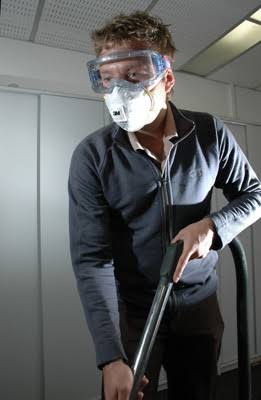
Last updated: September 10, 2026
Key Takeaways
- Let it sit for about 5 minutes unless the label says otherwise.
- That sounds basic, but the first 10 minutes decide whether you contain the problem or spread it through the house.
- The practical target is to keep the area as still as possible for at least 30 minutes before you enter with gear, so dust can settle.
- Open exterior windows for 30 minutes if the weather and security allow it, but do not run a fan aimed at the mess.
A raccoon in the attic changes the whole day. So does a bat in a bedroom. The real question is not “How do I clean this up?” It is “What has to happen now so nobody gets sick, nobody gets bitten, and the place is actually safe to re-enter?” In this health, safety, cleanup after wildlife intrusion — complete guide, I’m going to answer that plainly: isolate the area, protect yourself from airborne dust and droppings, clean with a wet method and detergent, disinfect the right surfaces, and stop short of scrubbing or vacuuming in a way that stirs contamination into the air. If there is a bite, a scratch, a bat in a sleeping room, extensive droppings, visible mold, or a dead animal in a wall or attic, that is no longer a simple cleanup.
Who this is for — and who should do something else
This guide is for a homeowner, tenant, property manager, or caretaker who has found clear signs that wildlife got inside and now needs to make the space safe in the health, safety, cleanup after wildlife intrusion — complete guide sense. I’m assuming the intruder is gone already, or at least that you can stay clear of the animal while you deal with what it left behind. Basic supplies help too: disposable gloves, trash bags, paper towels, detergent, and access to soap and water. For some jobs, I’d also want a respirator rated N95 or better—not because it sounds dramatic, but because fine dust from dried droppings can carry infectious material.
This guide is not for someone who has a fresh bite, scratch, or exposure to saliva from a bat, raccoon, fox, skunk, or stray mammal. That needs prompt medical advice, not a cleanup article, and public health guidance from the CDC or your local health department should be checked right away. It is also not for anyone facing a large infestation, heavy attic contamination, a colony of bats, or a dead animal in inaccessible building cavities. Once contamination is widespread or hidden behind insulation, drywall, or ductwork, the job can exceed ordinary household cleanup. In the U.S., the CDC and local public health departments are the right references for disease-specific exposure guidance; if you want a government source to start with, the CDC’s pages on rabies, hantavirus, and cleanup of animal droppings are the ones I would put on top of the stack.
A useful rule: if you can clearly see the contaminated material, can reach it without disturbing a lot of insulation or drywall, and no one has been bitten, then careful DIY cleanup is often appropriate. If the contamination is airborne, hidden, or tied to a potential rabies exposure, stop and consult a professional. A repair contractor, wildlife removal specialist, or environmental cleanup professional may be the right next call. I wouldn’t treat every wildlife intrusion like a disaster, but I also wouldn’t shrug it off. Droppings, urine, nesting material, and carcasses are not just unpleasant; they can carry bacteria, fungi, parasites, and allergens. Slow, methodical work wins here. Heroics do not.
What should I do first after finding wildlife in the house?
First, keep people and pets out of the affected space, then decide whether there is an immediate health risk. That is the first move in the health, safety, cleanup after wildlife intrusion — complete guide approach. It sounds plain, yet the first 10 minutes decide whether you contain the problem or spread it through the house. If the animal is still present, do not corner it or try to catch it with bare hands. Close off the room if you can do that without trapping yourself inside, open a safe exit path for the animal if it is a small non-aggressive intruder in a room, and keep children and pets away.
Turn off fans that could move dust around. If you suspect bats, rodents, or birds have been roosting or nesting in an attic, basement, or crawlspace, do not sweep or vacuum first. That dry disturbance is the classic mistake; it sends contaminated particles into the air. The practical target is to keep the area as still as possible for at least 30 minutes before you enter with gear, so dust can settle.
Then check for obvious exposure points: droppings, urine staining, nests, gnawing, feathers, dead insects, and carcasses. If there is a bite or scratch on a person, wash the wound immediately with soap and running water for 15 minutes, then seek medical guidance the same day. If a bat was in a bedroom where someone was sleeping, that is a rabies-exposure question even if nobody recalls a bite. Public health agencies treat that situation seriously because bat bites can be small and easy to miss, so consult a clinician or local health department promptly.
Now sort the job: local or extensive? A handful of pellets behind a water heater is one thing. Insulation soaked with urine across an attic bay is another. The difference matters because cleanup methods, PPE, and disposal rules change when contamination is widespread. If you are dealing with visible carcasses, heavy droppings, or a strong ammonia odor, plan on more than a quick wipe-down—or call a professional if the contamination is beyond a small area.
How do I clean up wildlife droppings, urine, and nesting material safely?

You clean it safely by wetting the contamination, removing it with disposable tools, bagging it, disinfecting the surface, and avoiding dry sweeping or standard vacuuming until the hazard is controlled. That is the core method in the health, safety, cleanup after wildlife intrusion — complete guide, and it works because it keeps particles from becoming airborne. I’d follow this order.
- Put on the right protection. Wear disposable gloves, long sleeves, long pants, shoes you can wash, and a well-fitting respirator if dust is possible; an N95 is the minimum I would consider for dried droppings. Verify that the gloves cover the wrist and the respirator seals snugly around the nose and chin. A problem is any gap that lets dust hit your face or skin.
- Ventilate without blowing debris around. Open exterior windows for 30 minutes if the weather and security allow it, but do not run a fan aimed at the mess. Verify that air is moving out of the area, not across the floor. A problem is visible dust shifting when you move.
- Wet the contaminated material thoroughly. Mist droppings, nesting material, and nearby dust with a disinfectant or a detergent-and-water solution until the surface is damp, not dripping. Let it sit for about 5 minutes unless the label says otherwise. Verify that nothing is dry and crumbly. A problem is any material still shedding dust when touched.
- Scoop with disposable tools. Use paper towels, cardboard, or a disposable scoop to lift material into a plastic bag. Do not use a broom. Verify that the surface underneath is coming up clean in sections. A problem is needing to scrape hard, which means you may need a longer wet contact time.
- Bag waste in two layers. Place the first bag inside a second trash bag, seal both, and remove them from the living area promptly. Verify that bags are intact and not overfilled. A problem is punctures from bones, twigs, or sharp debris.
- Wash the hard surface. Clean the area with detergent and water first so organic material is gone, then apply a disinfectant approved for the surface and follow the label’s dwell time, often 5 to 10 minutes. Verify that the surface is visibly clean before disinfecting. A problem is applying disinfectant onto dirt and expecting it to work well; it won’t.
- Handle soft materials conservatively. For washable fabrics, launder on the warmest appropriate setting and dry fully. For carpet, upholstery, insulation, ceiling tiles, or porous wood that has absorbed urine, replacement is often the right call. Verify whether odor remains after drying. A problem is persistent smell, staining, or tackiness, which means contamination soaked in.
- Remove PPE carefully and wash up. Peel gloves off without touching the outside, discard disposable gear, and wash hands and forearms with soap and water for at least 20 seconds. Verify that no contamination was transferred to doorknobs, faucets, or your face. A problem is touching clean surfaces with dirty gloves or clothes.
For disinfectants, I would read the label like a professional would: the product must be appropriate for the surface, and its contact time matters. On many surfaces, a 5-minute wet contact period is common, but the label governs. If you can’t keep the surface wet for the required time, the product may not do the job.
One trade-off here is that not every contaminated item can be “saved.” A lot of people try to preserve attic insulation, bird-nested cardboard, or urine-soaked fabric because the object still looks usable. I wouldn’t. Once porous material has absorbed droppings or urine, cleanup can turn into a smell-and-pathogen problem that comes back later. That is especially true in warm, humid spaces where odor lingers and molds grow, so consult a professional if the affected area is large or hard to reach.
For authoritative references, I’d point to the CDC’s guidance on hantavirus prevention and cleanup, the CDC’s rabies pages, and OSHA’s respirator fit and use standards for workers who must enter dusty contaminated spaces. If a reader wants the technical backdrop, those are the pages I trust more than generic blog advice.
What is the health risk after wildlife intrusion?
The health risk depends on the animal, the material left behind, and how much it was disturbed, but the major concerns are bites, scratches, rabies, respiratory exposure, bacterial contamination, and allergy-triggering dust. That list sounds broad because wildlife intrusion can touch several systems at once. The same attic can contain droppings, nesting debris, fleas, and dried urine. The cleanup question is never just “Is it gross?” It is “What could get into a person’s eyes, nose, mouth, or broken skin?”
Bites and scratches are the clearest acute risk. Raccoons, skunks, foxes, bats, and stray mammals raise more concern than a squirrel in a closed garage, though any wild animal can bite if trapped. Rabies is rare in many settings, but the disease is severe enough that suspected exposure is handled with urgency. That is why a bat in a bedroom is a medical question even if nobody wakes up with an obvious wound.
Respiratory risk comes from dried droppings, nesting material, and dust. Rodent and bird droppings can become airborne when swept, vacuumed, or broken up dry. The concern is not the dirt itself; it is what rides on it. Hantavirus is a classic rodent-related example in some regions, and fungal or bacterial contamination can also make people sick. Even where a specific disease is uncommon, dust from old droppings can irritate lungs and trigger asthma or allergic reactions.
Urine is its own problem. Fresh urine smells strong, but old urine can soak into insulation, subflooring, and drywall, leaving contamination that is not obvious from the surface. The issue is not only odor. The chemicals and microbes in the contamination can keep off-gassing or feeding mold growth in damp areas. A good cleanup removes the source, not just the smell.
People with asthma, immune suppression, pregnancy, or chronic lung disease should be stricter about avoiding dusty cleanup. A child or pet should be kept out entirely during the process. If the contamination is extensive enough that you need to remove insulation, pull up flooring, or work overhead in an attic, that is a strong sign to use qualified help rather than a weekend cleanup plan.
When should I stop and call someone else?
Stop when the problem moves past spot cleanup and into exposure risk, hidden contamination, or animal-control territory. This is the point where DIY stops being the smart tool and starts being the risky one.
Any bite, scratch, or saliva contact to eyes, mouth, or broken skin: this is a potential exposure event — wash the area immediately and get medical advice the same day, because rabies and other infections cannot be judged by appearance alone.
A bat was found in a bedroom, child’s room, or room where someone slept: this can be a rabies exposure even without a known bite — contact local public health or a clinician promptly; do not assume the absence of blood means the risk is zero.
There are large piles of droppings, a heavy ammonia odor, or contamination in insulation: this means the material is widespread and likely airborne when disturbed — stop using household cleanup alone and consider professional remediation.
The animal is still inside and acting aggressive, sick, or cornered: this raises bite risk and makes handling unsafe — back away, isolate the area, and call wildlife control or animal services.
A dead animal is inside a wall, attic void, duct, or other inaccessible cavity: this can keep odor and insects going for days to weeks — do not start cutting blindly; identify access points or call a pro who can remove it without unnecessary demolition.
There is a colony of bats, birds, or nesting rodents: this is not a one-animal cleanup, it is an exclusion and decontamination job — the correct next step is species-specific exclusion work and cleanup, often with building repair.
There is visible mold growth along with urine or water intrusion: moisture changes the job from sanitation to a combined contamination and building-failure problem — stop and address the leak, because cleaning without drying the structure just resets the cycle.
I’m putting this section in blunt terms on purpose. It keeps people from making the two errors that hurt most: cleaning too soon and cleaning too little. If you are in one of these situations, the correct move is not to push harder with more bleach. Switch tasks, then consult a professional if you are unsure whether the exposure risk is high.
The mistakes people make with wildlife cleanup, and what they cost
The biggest mistakes are dry cleanup, using the wrong personal protection, underestimating hidden contamination, sealing in odor without removing the source, and treating every surface the same. Each one has a cost, and it is usually more than inconvenience.
-
Sweeping or vacuuming droppings dry.
The consequence is aerosolizing contaminants into the breathing zone, which turns a floor problem into an air problem. The correct alternative is to wet the material first and lift it with disposable towels or a scoop. -
Wearing only thin household gloves and no respiratory protection.
The consequence is contact contamination on hands, wrists, and clothing, plus inhalation of fine dust. The correct alternative is disposable gloves, long sleeves, and at least an N95 when dust or dried droppings are involved. -
Using a bleach solution on everything.
The consequence is that bleach can damage fabrics, corrode metal, and still fail if organic material is left on the surface. The correct alternative is detergent cleaning first, then a disinfectant that fits the surface and label instructions. For some porous materials, replacement is smarter than disinfection. -
Ignoring insulation, ductwork, and wall cavities.
The consequence is that the visible mess is gone but odor, dust, and insects remain hidden. The correct alternative is to inspect the surrounding structure carefully and remove contaminated porous materials when needed. -
Mixing cleanup with pest exclusion too early.
The consequence is that sealing gaps before the animal source is gone can trap animals inside walls or drive them deeper into the structure. The correct alternative is to remove the wildlife first, then clean, then seal entry points. That order matters. -
Assuming one small animal means one small problem.
The consequence is that droppings and urine may already have spread into several areas, especially along travel routes, under appliances, or in attics. The correct alternative is to inspect not just the obvious nest but also the path the animal used.
A technical term worth knowing here is exclusion, which means sealing entry points so wildlife can no longer get inside. Exclusion is not cleanup, and cleanup is not exclusion. A lot of bad jobs happen because someone does one without the other. If rats are still entering through a 1/2-inch gap, or bats are still using a 3/8-inch crack, the contamination will keep coming back. Exact hole size matters because different species squeeze through different openings; rodents can use surprisingly small gaps, and bats can enter through narrow cracks around roofing or vents.
How do I handle dead animals, nests, and hidden contamination?
You handle dead animals and hidden contamination by locating the source, removing it without spreading fluids, and treating surrounding material as contaminated until proven otherwise. The dead-animal piece is usually the one people avoid, which is exactly why it lingers. If the carcass is visible and reachable, wear gloves, place absorbent material around it if fluids are present, bag it twice, and follow local disposal rules. Many municipalities treat carcasses as regulated waste or have specific pickup instructions, so I wouldn’t guess.
If the carcass is inside a wall, crawlspace, or duct, the odor is often the clue. You may need to trace it by smell, fly activity, or localized staining. Do not cut random holes unless you are prepared to repair them. The practical approach is to create a controlled access point, remove the carcass, clean the cavity if possible, and replace contaminated insulation or porous material. In many cases, odor removal depends more on source removal and air sealing than on deodorizer.
Nests are similar. A nest is not just sticks and paper; it can carry droppings, parasites, and urine. If it is in an attic, soffit, or vent, remove it as contaminated material. For bird nests in vents, check whether the venting is now blocked. A blocked dryer vent or bathroom vent can create a moisture problem that outlasts the wildlife issue, especially where nests have contaminated the duct.
Hidden contamination is where generic advice falls apart. A surface that looks clean can still hold residue in cracks, seams, and the rough side of porous materials. That is why the